

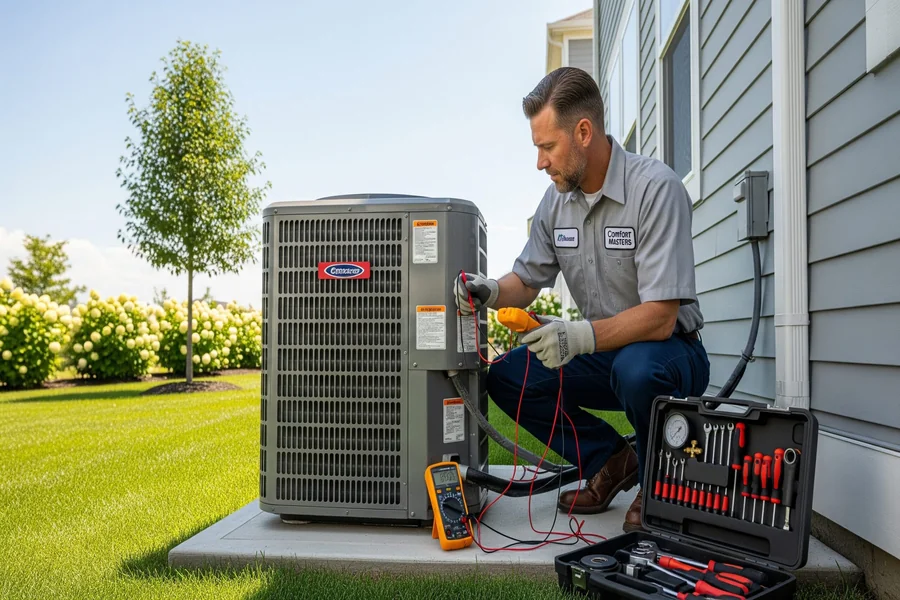
When your air conditioner stops working on a hot day, comfort quickly disappears. AC Unit Repair becomes a priority because even a small issue can affect your home’s cooling performance, energy efficiency, and indoor air quality. While some problems can be solved with basic troubleshooting, others require professional attention to prevent costly damage. Understanding how your AC system works and recognizing early warning signs can help you make informed decisions before a minor issue turns into a major repair.
Whether your air conditioner is blowing warm air, making unusual noises, or refusing to turn on, this guide will explain the most common causes, repair options, maintenance practices, and when it’s time to call an HVAC technician.
Common Signs Your AC Unit Needs Repair
Air conditioners usually provide clear warning signs before they stop working completely. Paying attention to these symptoms can help you avoid expensive repairs and extend the life of your cooling system.
One of the most noticeable signs is warm air coming from the vents. If your thermostat is set correctly but the system still isn’t cooling, the problem could involve low refrigerant, a failing compressor, or restricted airflow.
Weak airflow is another common issue. Dirty air filters, blocked ductwork, or a malfunctioning blower motor can reduce the amount of cool air reaching different rooms.
Strange sounds such as grinding, banging, squealing, or rattling often indicate mechanical problems. Loose components, worn bearings, or damaged fan blades should be inspected before they cause additional damage.
Unpleasant odors may signal mold growth inside the system, clogged drain lines, or even electrical issues. Burning smells should never be ignored because they may indicate overheating components.
Frequent cycling is another warning sign. If your air conditioner constantly turns on and off, it may have thermostat problems, dirty coils, or an improperly sized system.
Higher energy bills without increased usage can also indicate declining efficiency caused by aging components or maintenance issues.
What Causes Air Conditioner Problems?
Many AC problems develop gradually over time due to regular wear and tear. Understanding the most common causes helps homeowners recognize potential issues earlier.
Dirty air filters are among the leading causes of poor cooling performance. When filters become clogged, airflow decreases, forcing the system to work harder and consume more electricity.
Refrigerant leaks reduce cooling capacity and place additional strain on the compressor. Low refrigerant levels should always be repaired rather than simply refilled because leaks will continue to worsen.
Dirty evaporator and condenser coils reduce heat transfer efficiency. As dust and debris accumulate, the system struggles to cool your home effectively.
Faulty thermostats can send incorrect temperature readings, causing inconsistent cooling or unnecessary cycling.
Electrical problems such as damaged wiring, worn capacitors, or failing contactors can prevent the system from starting or operating safely.
Blocked condensate drain lines may cause water leaks around the indoor unit. Excess moisture can also contribute to mold growth if left untreated.
Outdoor units can experience reduced performance when leaves, dirt, grass clippings, or other debris restrict airflow around the condenser.
Older systems naturally experience more frequent component failures. Compressors, motors, capacitors, and fan assemblies eventually wear out after years of operation.
Repair or Replace: How to Make the Right Decision
Many homeowners wonder whether repairing an existing air conditioner makes more financial sense than replacing it. The answer depends on several important factors.
System age plays a major role. Air conditioners generally last between 10 and 15 years with proper maintenance. Older systems often become less efficient and require increasingly frequent repairs.
Repair cost is another consideration. If repair expenses approach half the cost of a replacement, investing in a new system may provide better long-term value.
Energy efficiency has improved significantly in newer air conditioning units. Replacing an outdated system can reduce monthly utility bills while improving comfort.
Frequent breakdowns also suggest replacement may be the smarter option. Multiple repairs within a short period often indicate that other components are nearing the end of their service life.
However, relatively new systems with isolated problems are usually worth repairing. Replacing a capacitor, thermostat, fan motor, or contactor is often much more affordable than installing a completely new unit.
Consulting an experienced HVAC technician can help determine the most cost-effective solution based on your system’s condition.
How to Prevent Costly Repairs
Preventive maintenance remains one of the best ways to reduce unexpected air conditioner failures.
Replace or clean air filters every one to three months depending on usage, indoor air quality, and manufacturer recommendations. Clean filters improve airflow and reduce stress on the system.
Keep the outdoor condenser clear of leaves, weeds, branches, and other debris. Maintaining at least two feet of open space around the unit allows proper airflow.
Schedule professional maintenance at least once a year before peak cooling season. Technicians inspect electrical components, refrigerant levels, coils, motors, and drainage systems to identify potential issues early.
Keep supply and return vents open and unobstructed by furniture, curtains, or rugs. Restricted airflow forces the system to work harder than necessary.
Monitor thermostat performance regularly. If room temperatures do not match thermostat settings, calibration or replacement may be needed.
Seal air leaks around doors and windows to reduce cooling demand. Better insulation allows your AC system to maintain comfortable temperatures with less effort.
Using ceiling fans alongside air conditioning can also improve comfort while reducing the workload on your cooling system.
Final Thought
A properly functioning air conditioner keeps your home comfortable, improves indoor air quality, and helps control energy costs. Paying attention to early warning signs, performing routine maintenance, and addressing problems quickly can significantly extend your system’s lifespan.
While basic maintenance tasks such as changing filters and keeping the outdoor unit clean are suitable for most homeowners, complex repairs involving refrigerant, electrical systems, or compressors should always be handled by qualified HVAC professionals. Prompt repairs not only restore comfort but also prevent minor issues from developing into expensive replacements. By combining regular maintenance with timely service, you can enjoy reliable cooling for many years.
FAQs
What are the most common signs that my AC unit needs repair?
Common signs include warm airflow, weak airflow, unusual noises, unpleasant odors, water leaks, frequent cycling, and unexpectedly high energy bills.
How often should I replace my AC air filter?
Most air filters should be replaced every one to three months, depending on usage, indoor air quality, pets, and the filter type.
Can I repair my AC unit myself?
You can perform simple maintenance tasks such as replacing filters and cleaning debris around the outdoor unit. Electrical, refrigerant, and compressor repairs should always be handled by qualified professionals.
Why is my air conditioner blowing warm air?
Warm air may result from low refrigerant, dirty filters, thermostat issues, electrical problems, frozen evaporator coils, or compressor failure.
How long does an air conditioner usually last?
Most residential air conditioning systems last between 10 and 15 years with proper maintenance and timely repairs.
Is regular maintenance really necessary?
Yes. Routine maintenance improves efficiency, reduces the risk of unexpected breakdowns, extends equipment lifespan, and helps lower energy costs.
When should I replace my AC instead of repairing it?
Replacement is often the better choice when the unit is over 10 to 15 years old, requires frequent repairs, has major component failures, or has repair costs approaching the price of a new system.
