

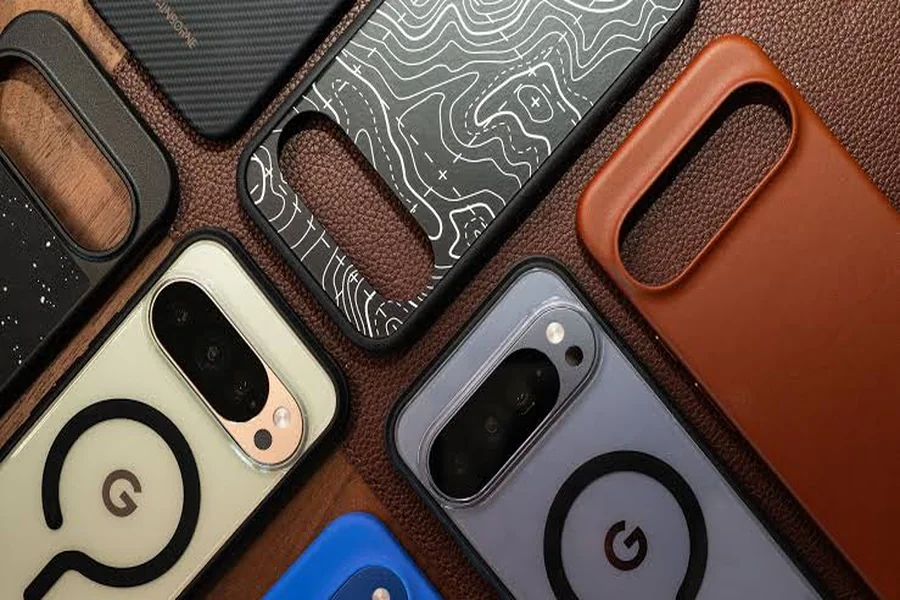
Introduction
Choosing the right phone case is an important step in protecting your smartphone from everyday damage. This Google Pixel Phone Case Buying guide explains how to select a case that fits your device, matches your lifestyle, and provides the protection you need. Whether you own a standard Pixel, a Pixel Pro, or a foldable model, the right accessory can help protect against scratches, minor impacts, and daily wear. However, not every case offers the same level of protection, comfort, or functionality. Some prioritize a slim design, while others feature reinforced corners, raised edges, or extra grip. Before buying, consider your phone model, how you use it, and the conditions in which you carry it. A well-chosen case should protect your device without making it uncomfortable or difficult to use.
Check Your Exact Google Pixel Model
The first step is confirming your phone’s exact model and generation. Google releases multiple Pixel versions, and their dimensions, camera layouts, button positions, and charging features can differ. A case designed for an older Pixel may not fit a newer model, even if the phones have similar names. Camera openings may be incorrectly positioned, buttons may become difficult to press, or charging ports may be partially blocked. Foldable Pixel phones require special attention because their hinges and two-part designs need compatible protection. Check your device settings, original packaging, or official product information to identify the model before ordering. Read the case listing carefully and confirm that it explicitly supports your phone. Avoid relying only on product photographs or descriptions that say a case fits multiple devices without listing the exact models.
Choose the Right Case Material
Phone cases come in several materials, each offering different benefits. Silicone cases are flexible and provide a comfortable grip, making them suitable for everyday use. Thermoplastic polyurethane, commonly known as TPU, is also flexible and can help absorb minor impacts. Hard polycarbonate cases maintain their shape and may resist scratches, while hybrid designs combine hard outer shells with softer inner layers. Genuine or synthetic leather cases offer a more refined appearance, although durability and maintenance requirements vary. Fabric-covered cases can provide a distinctive texture but may collect dust or stains over time. When choosing a material, consider how the phone feels in your hand, how easily the case can be cleaned, and whether it becomes slippery when wet. The best material is one that balances comfort, durability, appearance, and the level of protection you actually need.
Compare Protection Levels and Everyday Durability
Protection should be a major consideration when buying a Pixel case. If you regularly commute, travel, work outdoors, or tend to drop your phone, look for reinforced corners and impact-absorbing materials. Raised edges around the display and camera can help prevent direct contact with flat surfaces, reducing the chance of scratches. However, a raised lip does not guarantee that the screen or camera will survive every fall. Slim cases are often easier to carry and may preserve the phone’s original design, but they generally offer less impact protection than rugged alternatives. Some manufacturers advertise drop-test results, so check what those tests actually cover rather than relying on vague claims of military-grade protection. A tempered-glass screen protector can provide additional scratch resistance, although it does not make the phone indestructible. Choose protection based on your daily habits instead of simply buying the thickest case available.
Consider Wireless Charging and Useful Features
A good phone case should work smoothly with the features you use every day. If your Pixel supports wireless charging, confirm that the case is compatible with the phone’s charging system. Thick cases, metal components, and some accessory designs can interfere with charging or reduce convenience. If you use magnetic mounts or compatible magnetic accessories, check whether the case specifically supports them; do not assume every Pixel case includes built-in magnets. Other useful features include a kickstand for watching videos, a card slot for carrying essential cards, and a lanyard attachment for additional security. These extras can make a case more practical, but they may also increase its size or weight. For foldable devices, check that the case does not interfere with hinge movement or prevent the phone from closing properly. Always review compatibility details before purchasing accessories with specialized features.
Style, Grip, Price, and Trusted Sellers
Appearance matters because you will likely use your phone case every day. Clear cases show off the Pixel’s original design, while colored, patterned, and textured options offer more opportunities for personal expression. Keep in mind that some transparent materials may turn yellow with age, heat, or sunlight. A textured finish can improve grip, while smooth finishes may slide more easily from a hand or surface. Compare prices across reliable sellers, but avoid choosing an unfamiliar product based only on a very low price. Read recent customer reviews, inspect real product photographs, and check the return policy in case the case does not fit properly. Technology websites such as Pixelspinx can also be useful places to browse related smartphone content and accessories information. Before completing your purchase, consider the case’s warranty, shipping costs, and whether the seller clearly identifies the supported Pixel model.
Final Thought
The best Google Pixel phone case is one that fits your exact device, provides appropriate protection, and remains comfortable during everyday use. Start by confirming your model, then compare materials, protection levels, charging compatibility, and practical features. A slim silicone or TPU case may suit users who prefer a lightweight design, while a rugged hybrid case may be better for people who work outdoors or frequently drop their phones. Foldable models require cases specifically designed for their unique construction. Do not overlook grip, camera protection, seller reliability, and the possibility of material discoloration over time. A case cannot prevent every type of damage, but choosing a well-designed option and pairing it with careful handling can reduce common risks. Taking a few minutes to compare your options can help you find a case that suits both your budget and your lifestyle.
FAQs
1. How do I choose the right Google Pixel phone case?
Check your exact Pixel model, then compare the case’s fit, material, protection level, grip, and compatibility with the features you use.
2. Which material is best for a Pixel phone case?
Silicone and TPU are popular for flexibility and grip, while polycarbonate and hybrid cases offer different levels of structure and impact protection.
3. Do Google Pixel cases support wireless charging?
Many do, but compatibility depends on the case design and phone model. Check the manufacturer’s specifications before purchasing.
4. Are slim Pixel cases protective enough?
Slim cases can help prevent scratches and minor damage, but rugged cases generally offer more impact protection for frequent drops or demanding environments.
5. Should I buy a screen protector with my Pixel case?
A screen protector can add protection against scratches and some impacts. Make sure it fits properly and works with the case you choose.
6. Do Pixel Fold phones need special cases?
Yes. Foldable models need cases designed for their specific dimensions and hinge structure to avoid interfering with opening and closing.
7. Why do clear phone cases turn yellow?
Some clear case materials can discolor due to sunlight, heat, oils, and normal aging. Choosing a quality case may help, but discoloration can still occur over time.
