

When your heating or cooling system stops working properly, it can quickly affect your comfort and energy costs. HVAC Troubleshooting Experts understand how to identify common system problems, determine their causes, and recommend the most effective solutions. Whether you’re dealing with weak airflow, strange noises, uneven temperatures, or rising utility bills, knowing the basics of HVAC troubleshooting can help you make informed decisions before calling a professional.
Many HVAC issues start small and become expensive if ignored. Regular maintenance, timely inspections, and understanding warning signs can extend the life of your system while improving efficiency. This guide explains the most common HVAC problems, practical troubleshooting steps, and when professional assistance is the safest option.
Understanding Common HVAC Problems
Heating, ventilation, and air conditioning systems contain many components that work together to maintain indoor comfort. Because these systems operate throughout the year, wear and tear is unavoidable.
Some of the most common HVAC problems include:
- Dirty or clogged air filters.
- Thermostat malfunctions.
- Refrigerant leaks.
- Frozen evaporator coils.
- Blocked air vents.
- Electrical failures.
- Faulty capacitors.
- Worn blower motors.
- Drainage issues.
- Compressor problems.
These issues may produce symptoms such as inconsistent temperatures, loud noises, unpleasant odors, frequent cycling, or complete system failure.
Understanding these warning signs allows homeowners and business owners to respond before minor problems develop into costly repairs.
Simple HVAC Troubleshooting Steps You Can Try
Not every HVAC problem requires immediate professional service. Some basic checks can resolve common issues safely.
Start by inspecting the thermostat. Make sure it is set to the correct mode and temperature. Replace batteries if necessary and verify that programmable settings have not changed accidentally.
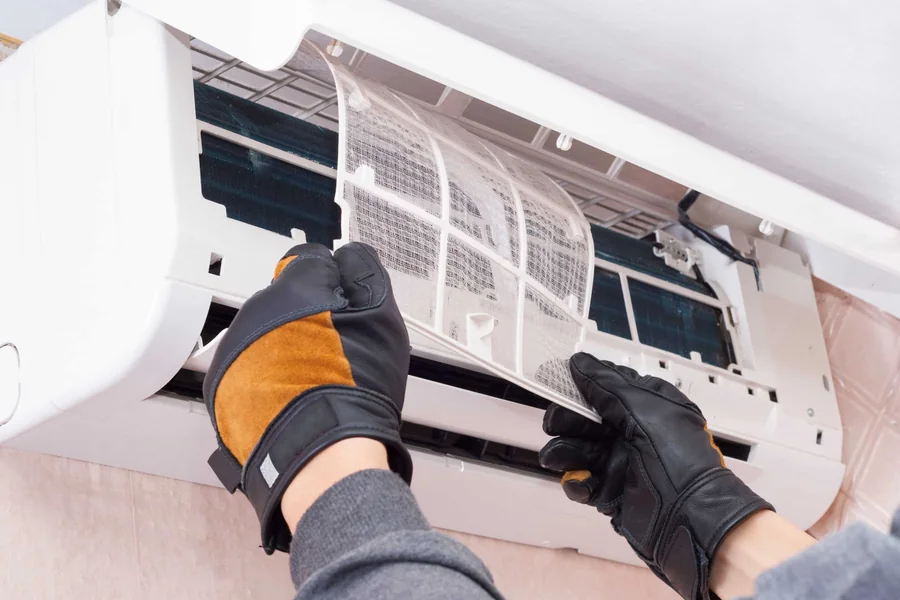
Next, examine the air filter. A clogged filter restricts airflow, forcing the system to work harder and reducing efficiency. Replacing filters every one to three months is one of the easiest ways to improve performance.
Check your circuit breaker if the HVAC unit refuses to start. Sometimes a tripped breaker interrupts power without indicating a serious system problem.
Inspect all air vents throughout your home. Furniture, curtains, or dust buildup can block airflow and create uneven heating or cooling.
Look around the outdoor condenser unit. Remove leaves, grass clippings, dirt, and debris that restrict airflow. Maintain several feet of clear space around the unit for optimal operation.
Finally, inspect the condensate drain for clogs if you notice water around the indoor unit. Clearing minor blockages may prevent water damage and system shutdowns.
These basic troubleshooting steps solve many minor issues without requiring extensive repairs.
Signs You Should Call HVAC Troubleshooting Experts
While some maintenance tasks are simple, certain problems should always be handled by trained professionals.
Call an HVAC technician if you notice:
- Burning electrical smells.
- Refrigerant leaks.
- Loud grinding or metal-on-metal noises.
- Repeated circuit breaker trips.
- Ice covering refrigerant lines.
- Complete system failure.
- Poor airflow despite replacing filters.
- Rising energy bills without explanation.
- Short cycling that continues after basic checks.
Modern HVAC systems contain electrical components, pressurized refrigerants, and complex controls that require specialized equipment for safe diagnosis and repair.
Professional technicians use advanced testing tools to identify hidden issues that may not be visible during a basic inspection.
Preventive Maintenance for Better HVAC Performance
Preventive maintenance is the most effective way to reduce unexpected breakdowns and extend equipment life.
Homeowners should regularly:
- Replace air filters.
- Keep outdoor units clean.
- Remove debris from vents.
- Check thermostat operation.
- Monitor unusual sounds.
- Watch for water leaks.
- Schedule seasonal inspections.
Professional maintenance appointments typically include:
- Cleaning evaporator and condenser coils.
- Measuring refrigerant levels.
- Inspecting electrical connections.
- Lubricating moving parts.
- Testing safety controls.
- Checking airflow.
- Calibrating the thermostat.
- Inspecting ductwork.
Routine maintenance not only improves comfort but also helps reduce monthly energy consumption.
Well-maintained systems operate more efficiently, experience fewer breakdowns, and often last several years longer than neglected equipment.
How to Choose Reliable HVAC Troubleshooting Experts
Finding the right HVAC professional is just as important as identifying the problem itself.
Look for companies with licensed and insured technicians. Proper certification demonstrates technical knowledge and compliance with industry standards.
Experience matters because seasoned technicians have encountered a wider variety of equipment brands and repair situations.
Customer reviews provide valuable insight into reliability, punctuality, communication, and overall service quality.
Transparent pricing is another important factor. Reputable companies explain inspection fees, repair estimates, replacement options, and warranty coverage before beginning work.
Ask whether emergency repair services are available, especially if you live in an area with extreme temperatures where HVAC failures require immediate attention.
Preventive maintenance plans can also provide long-term savings through scheduled inspections, priority service, and discounted repairs.
Choosing a trusted service provider helps ensure accurate diagnoses and quality workmanship.
FAQs
What are the most common HVAC problems?
The most common HVAC problems include dirty filters, thermostat issues, refrigerant leaks, electrical failures, frozen coils, clogged drains, and blocked airflow.
How often should HVAC filters be replaced?
Most HVAC filters should be replaced every one to three months, depending on filter type, indoor air quality, pets, and system usage.
Can I troubleshoot my HVAC system myself?
Yes. You can safely check the thermostat, replace air filters, inspect circuit breakers, clear debris around the outdoor unit, and ensure vents remain open. More complex repairs should be left to professionals.
Why is my HVAC system blowing warm air?
Warm air may result from incorrect thermostat settings, dirty filters, refrigerant leaks, frozen coils, compressor problems, or electrical faults.
When should I call HVAC Troubleshooting Experts?
You should contact professionals if your system stops working completely, produces unusual noises, leaks refrigerant, repeatedly trips breakers, or continues malfunctioning after basic troubleshooting.
How can I reduce HVAC repair costs?
Routine maintenance, timely filter replacement, seasonal inspections, and addressing small issues early can significantly reduce repair expenses.
Does regular HVAC maintenance improve energy efficiency?
Yes. Clean filters, properly functioning components, and professional inspections help your system operate more efficiently while lowering energy consumption.
Final Thought
A reliable HVAC system plays an essential role in maintaining comfort throughout every season. Understanding common warning signs, performing simple maintenance, and knowing when to contact HVAC Troubleshooting Experts can help prevent expensive repairs and unexpected system failures. Regular inspections, proper care, and prompt attention to minor issues keep heating and cooling equipment operating efficiently for years. Investing in preventive maintenance today can improve indoor comfort, reduce energy costs, and extend the life of your HVAC system.
