

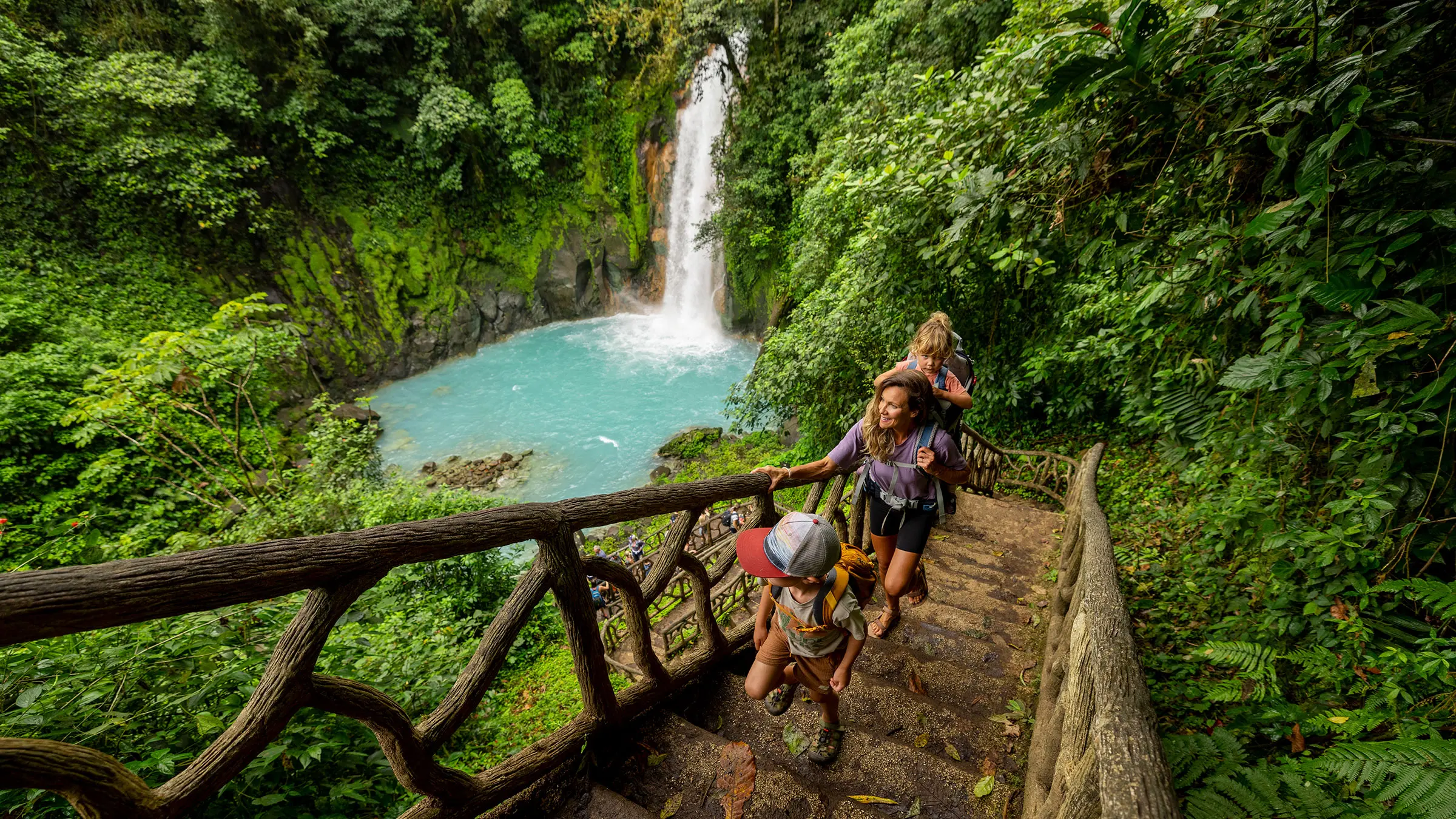
An adventure travel trekking destination guide is the perfect starting point for travelers who love exploring nature on foot while experiencing breathtaking landscapes and unique cultures. Trekking combines physical activity with the opportunity to discover mountains, forests, valleys, deserts, and remote villages that are often inaccessible by road. Whether you are planning your first trekking adventure or preparing for a challenging expedition, proper planning and preparation are essential for a safe and rewarding journey.
Adventure trekking is more than reaching a destination. It is about embracing the journey, appreciating nature, building resilience, and creating unforgettable memories along the way. From short day hikes to multi-day mountain expeditions, trekking offers experiences suitable for every fitness level and travel style.
This guide explains how to choose the right trekking destination, prepare effectively, and make the most of your outdoor adventure.
Why Choose Adventure Travel and Trekking?
Trekking offers a unique way to experience destinations that cannot be fully appreciated through traditional sightseeing. Walking through natural landscapes allows travelers to connect with the environment while enjoying fresh air, scenic views, and peaceful surroundings.
Unlike fast-paced vacations, trekking encourages a slower travel experience. You have time to observe wildlife, interact with local communities, and appreciate the natural beauty of each destination.
Adventure travel also provides excellent physical and mental health benefits. Regular trekking improves cardiovascular fitness, strengthens muscles, enhances endurance, and promotes overall well-being. Spending time in nature can also reduce stress and improve mental clarity.
For many travelers, completing a challenging trek creates a strong sense of accomplishment and confidence that extends beyond the journey itself.
Choosing the Right Trekking Destination
Selecting the right destination is one of the most important decisions when planning a trekking adventure. Your fitness level, previous experience, travel budget, and available time should all influence your choice.
Beginners often enjoy shorter trails with clearly marked paths, moderate elevation changes, and comfortable accommodations nearby. These routes provide an excellent introduction to trekking without requiring advanced technical skills.
Intermediate trekkers may prefer multi-day routes that include mountain landscapes, forest trails, river crossings, and camping experiences.
Experienced adventurers often seek challenging high-altitude expeditions, remote wilderness routes, or demanding terrain that requires greater endurance and preparation.
Climate is another important consideration. Research the best season for your chosen destination, as weather conditions can significantly affect trail safety and accessibility.
Always check whether permits, local guides, or advance reservations are required before beginning your trek.
Essential Gear for a Successful Trek
Having the right equipment improves both safety and comfort during your adventure. Packing carefully also helps reduce unnecessary weight while ensuring you have everything you need.
Comfortable trekking boots with good ankle support are among the most important pieces of equipment. Proper footwear helps prevent injuries and improves stability on uneven terrain.
Choose lightweight, weather-appropriate clothing that can be layered as temperatures change throughout the day. Waterproof jackets are useful for unexpected rain or changing mountain weather.
Carry a durable backpack that fits comfortably and distributes weight evenly. Essential items should include water, snacks, a first-aid kit, navigation tools, sunscreen, sunglasses, and a flashlight or headlamp.
If you’re planning a multi-day trek, additional equipment such as a sleeping bag, camping gear, cooking supplies, and water purification methods may also be necessary.
Packing only essential items helps maintain mobility while reducing physical strain during long hikes.
Staying Safe During Your Trek
Safety should always be a top priority when participating in adventure travel and trekking. Careful preparation can prevent many common outdoor emergencies.
Research trail conditions before departure and monitor weather forecasts throughout your trip. Sudden weather changes can significantly affect mountain environments.
Inform a trusted friend or family member about your itinerary, expected route, and estimated return time. This information can be valuable if assistance becomes necessary.
Stay on marked trails whenever possible and avoid taking shortcuts through unfamiliar terrain. Following designated routes reduces the risk of becoming lost.
Carry enough drinking water and nutritious food to maintain energy throughout your trek. Proper hydration and regular meals help prevent fatigue and dehydration.
Know your physical limits. If weather conditions worsen or you experience illness or injury, it is often safer to turn back rather than continue unnecessarily.
Responsible decision-making contributes to a safer and more enjoyable adventure.
Responsible Trekking and Environmental Protection
Adventure travelers play an important role in protecting the natural environments they visit. Responsible trekking helps preserve trails and ecosystems for future generations.
Follow the principle of leaving no trace by carrying out all waste, minimizing environmental impact, and respecting wildlife habitats.
Avoid damaging vegetation or disturbing animals during your journey. Observe wildlife from a safe distance without feeding or approaching them.
Support local communities by hiring local guides, staying in locally owned accommodations, and purchasing goods from nearby businesses whenever possible.
Respect local customs, cultural traditions, and protected areas by following park regulations and community guidelines.
Using reusable water bottles and minimizing single-use plastics also contributes to environmental conservation during your travels.
Sustainable trekking practices benefit both the environment and the communities that welcome visitors.
Final Thought
An adventure travel trekking destination guide provides the knowledge needed to plan safe, enjoyable, and memorable outdoor adventures. Whether you’re hiking through forests, climbing mountain trails, or exploring remote wilderness areas, careful preparation and responsible travel habits greatly enhance the experience. Choosing the right destination, carrying appropriate equipment, respecting nature, and prioritizing safety allow trekkers to fully appreciate the beauty of the outdoors while minimizing risks. Every trek offers an opportunity to challenge yourself, connect with nature, and create unforgettable memories that inspire future adventures.
FAQs
What is an adventure travel trekking destination guide?
An adventure travel trekking destination guide provides information on selecting trekking locations, preparing for hikes, packing essential gear, and staying safe during outdoor adventures.
How do I choose the right trekking destination?
Choose a destination based on your fitness level, trekking experience, travel budget, available time, weather conditions, and the difficulty of the trail.
What equipment is essential for trekking?
Essential trekking gear includes supportive hiking boots, weather-appropriate clothing, a backpack, water, snacks, a first-aid kit, navigation tools, and emergency supplies.
How can I stay safe while trekking?
Research your route, monitor weather conditions, stay on marked trails, carry sufficient food and water, inform someone about your plans, and know your physical limits.
Is trekking suitable for beginners?
Yes. Many beginner-friendly trails offer moderate difficulty, clear routes, and shorter distances that are ideal for first-time trekkers.
Why is responsible trekking important?
Responsible trekking helps protect natural environments, supports local communities, preserves wildlife habitats, and ensures that future generations can enjoy the same outdoor experiences.
