

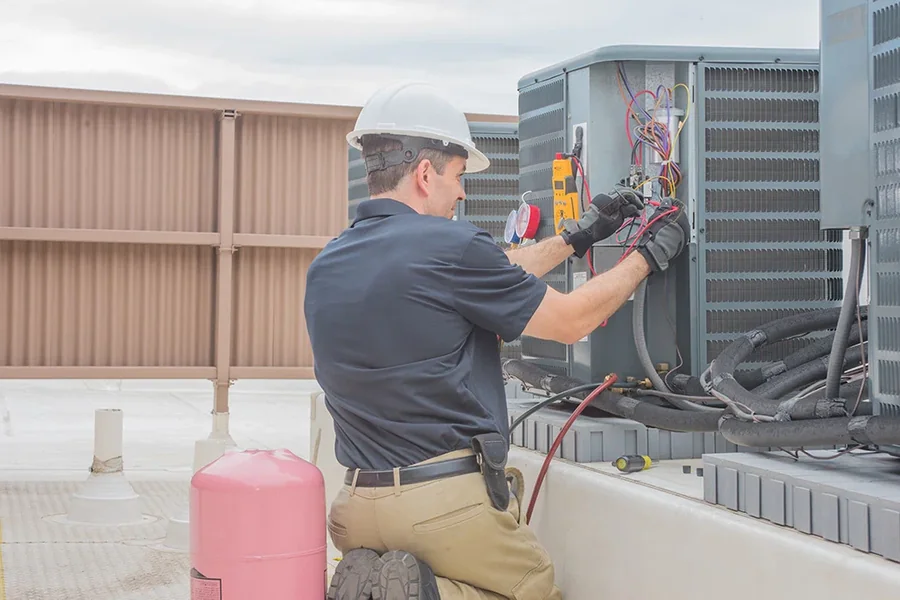
When your heating or cooling system stops working, finding Affordable HVAC Repair becomes a top priority. No one wants to deal with uncomfortable indoor temperatures or expensive repair bills. Fortunately, affordable service does not have to mean lower quality. With the right approach, homeowners and business owners can keep their HVAC systems running efficiently while staying within budget.
Heating, ventilation, and air conditioning systems work hard throughout the year. Over time, normal wear and tear can lead to reduced performance, higher energy bills, and unexpected breakdowns. Knowing when to schedule repairs, how to choose a reliable technician, and what maintenance practices can extend your system’s lifespan can save both money and stress.
Why Affordable HVAC Repair Matters
An HVAC system is one of the most important investments in any property. It provides comfort during hot summers and cold winters while also improving indoor air quality. Ignoring small issues can quickly turn into expensive repairs or even complete system replacement.
Affordable repair services help homeowners address problems before they become major expenses. A professional technician can identify worn components, fix airflow issues, and restore efficiency without recommending unnecessary replacements.
Some of the biggest benefits of timely HVAC repairs include:
- Lower monthly energy costs.
- Improved indoor comfort.
- Better air quality.
- Longer equipment lifespan.
- Reduced risk of emergency breakdowns.
Choosing affordable services allows you to maintain these benefits without putting excessive strain on your household budget.
Common HVAC Problems That Need Professional Repair
Every HVAC system experiences occasional issues. Some are minor, while others require immediate attention.
One of the most common problems is poor airflow. Dirty air filters, blocked ducts, or failing blower motors can prevent conditioned air from circulating properly throughout the home.
Another frequent issue is inconsistent temperatures. If some rooms are too hot while others remain cold, the system may have thermostat problems, duct leaks, or compressor issues.
Strange noises are also warning signs. Grinding, banging, squealing, or rattling sounds often indicate loose or worn mechanical parts that need professional inspection.
Water leaks around the indoor unit can result from clogged condensate drains or frozen evaporator coils. Addressing these problems early helps prevent water damage and mold growth.
Short cycling, where the system frequently turns on and off, reduces efficiency and increases wear on critical components. This problem often results from thermostat issues, dirty filters, refrigerant problems, or oversized equipment.
How to Find Reliable and Budget-Friendly HVAC Services
Finding affordable repair services requires more than choosing the lowest price. A trustworthy contractor offers fair pricing, quality workmanship, and honest recommendations.
Start by checking customer reviews and ratings online. Consistently positive feedback usually indicates dependable service and satisfied customers.
Always request written estimates before approving repairs. A detailed estimate should explain labor costs, replacement parts, diagnostic fees, and warranties.
Verify that technicians are properly licensed and insured according to local requirements. Qualified professionals have the training needed to diagnose problems accurately and perform safe repairs.
Ask about maintenance plans. Many HVAC companies offer annual service agreements that include inspections, discounted repairs, and priority scheduling. These plans often reduce long-term maintenance costs.
It is also helpful to compare multiple estimates when facing expensive repairs. This allows you to understand average pricing while avoiding companies that overcharge or recommend unnecessary work.
Ways to Reduce HVAC Repair Costs
While repairs are sometimes unavoidable, several practical habits can minimize repair expenses over the life of your HVAC system.
Replace air filters regularly. Dirty filters restrict airflow, forcing the system to work harder and increasing wear on important components.
Keep outdoor units free from leaves, grass, dirt, and debris. Good airflow helps the condenser operate efficiently.
Schedule professional maintenance at least once or twice each year. Preventive inspections help identify small issues before they become expensive failures.
Seal air leaks around windows and doors to reduce the workload on your heating and cooling equipment.
Use a programmable or smart thermostat to optimize energy usage. Lower operating hours reduce stress on the HVAC system while lowering utility bills.
Pay attention to unusual sounds, odors, or performance changes. Early diagnosis often prevents larger repair costs.
Avoid delaying repairs. Minor refrigerant leaks, worn capacitors, or faulty electrical components usually cost less to fix before they damage other parts of the system.
Signs It’s Time to Call an HVAC Technician
Some problems require immediate professional attention to avoid further damage.
Warm air coming from your air conditioner during summer usually indicates refrigerant problems, compressor issues, or electrical faults.
Weak airflow throughout the home may point to duct blockages, blower motor failures, or clogged filters.
Unpleasant odors should never be ignored. Burning smells may indicate electrical issues, while musty odors often suggest mold growth inside the system.
An unexpected increase in utility bills without changes in usage often signals declining system efficiency.
Frequent cycling, unusual humidity levels, or difficulty maintaining the desired temperature also suggest that professional repairs are needed.
Older HVAC systems may require more frequent service as components wear out. If repair costs become increasingly common, discussing replacement options with a trusted technician may be worthwhile.
Preventive Maintenance for Long-Term Savings
Routine maintenance is one of the smartest investments homeowners can make. A well-maintained HVAC system operates more efficiently, experiences fewer breakdowns, and lasts significantly longer.
Professional maintenance typically includes cleaning condenser coils, checking refrigerant levels, inspecting electrical connections, lubricating moving parts, testing safety controls, cleaning drain lines, and calibrating the thermostat.
Homeowners also play an important role in ongoing maintenance. Keeping vents unobstructed, replacing filters, cleaning around outdoor equipment, and monitoring system performance all contribute to reliable operation.
Preventive care also improves indoor air quality by reducing dust buildup, allergens, and moisture problems within the system.
Although maintenance involves a small upfront cost, it often prevents much larger repair bills later. Many homeowners recover these costs through improved energy efficiency and fewer emergency service calls.
Final Thought
Affordable HVAC repair is about making smart decisions that protect both your comfort and your budget. Timely repairs, regular maintenance, and choosing experienced professionals can keep your heating and cooling system operating efficiently for many years.
Rather than waiting for a complete breakdown, paying attention to early warning signs and scheduling preventive service can significantly reduce long-term expenses. A well-maintained HVAC system not only provides reliable comfort but also lowers energy costs and extends the life of one of your home’s most valuable systems.
By combining routine maintenance with quality, budget-friendly repair services, homeowners can enjoy dependable indoor comfort without overspending.
FAQs
What is Affordable HVAC Repair?
Affordable HVAC Repair refers to cost-effective professional services that fix heating and cooling system problems while maintaining quality workmanship and reliable performance.
How often should an HVAC system be serviced?
Most HVAC systems should receive professional maintenance at least once or twice a year to keep them operating efficiently and reduce the risk of unexpected breakdowns.
Can regular maintenance reduce repair costs?
Yes. Routine maintenance helps identify small issues early, improves efficiency, and prevents costly repairs caused by neglected components.
Should I repair or replace my HVAC system?
If your system is relatively new and repair costs are reasonable, repairing it is often the best choice. Older systems with frequent breakdowns and poor efficiency may be better candidates for replacement.
How can I lower my HVAC energy bills?
Replace air filters regularly, schedule preventive maintenance, seal air leaks, use a programmable thermostat, and address repairs promptly to improve efficiency and reduce energy consumption.
What are the warning signs that my HVAC system needs repair?
Common signs include unusual noises, weak airflow, uneven temperatures, unpleasant odors, water leaks, frequent cycling, and higher-than-normal energy bills.
Can I perform HVAC repairs myself?
Basic maintenance tasks like changing filters and cleaning around outdoor units can be done by homeowners. However, electrical, refrigerant, and mechanical repairs should always be handled by qualified HVAC professionals.
