

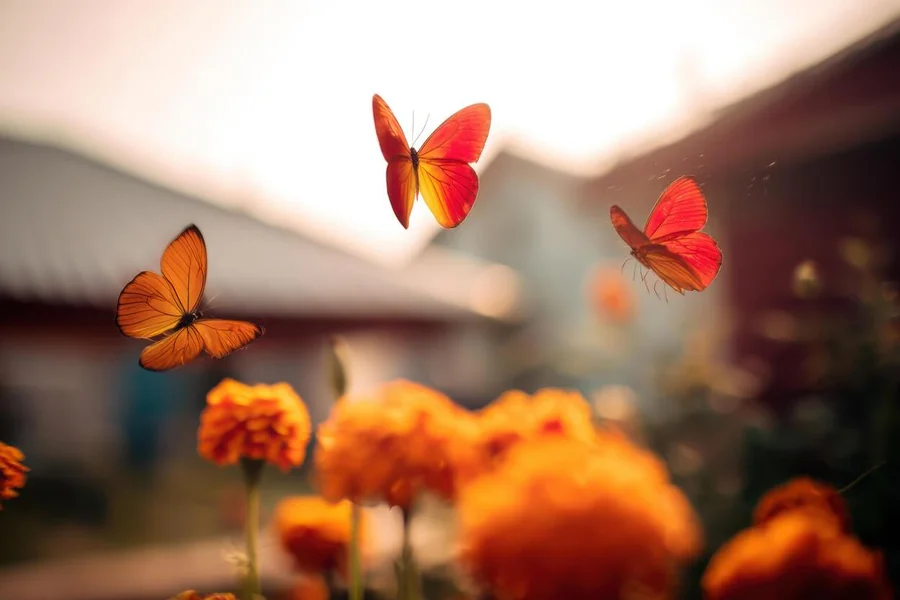
Butterflies and Their Colorful Garden World
Butterflies flying around flowers create one of the most beautiful scenes found in gardens, meadows, forests, and open fields. Their delicate wings, bright patterns, and gentle movements make them easy to notice as they travel from one blossom to another. Although their flight may appear playful, butterflies are usually busy searching for food, finding suitable plants, or interacting with their surroundings.
Flowers provide an important source of energy for many adult butterflies. Their nectar contains sugars that help fuel flight and daily activities. While feeding, butterflies can also transfer pollen between flowers, making them valuable participants in many ecosystems.
Butterflies depend on plants throughout their lives. Adult butterflies often seek nectar-producing flowers, while their caterpillars usually require particular host plants for food and development. People who enjoy learning about wildlife, insects, and nature can also find more animal-related information through natureanimalhub.
Why Butterflies Visit Flowers
Butterflies are strongly attracted to flowers because blossoms provide nectar. Nectar is a sugary liquid produced by many flowering plants, and it gives butterflies the energy they need for movement.
A butterfly may visit several flowers during a single feeding period. It uses its long, tube-like proboscis to reach nectar hidden inside blossoms. When the proboscis is not being used, it is generally coiled beneath the butterfly’s head.
Flower shape can influence which butterflies can feed successfully. Some butterflies have longer mouthparts that allow them to reach nectar deep inside tubular flowers. Others may prefer flowers with nectar that is easier to access.
Color can also play an important role in attracting butterflies. Many butterflies are able to see colors that help them locate flowers. Brightly colored blossoms can therefore become important feeding locations in a garden or meadow.
Butterflies may return to productive flower patches repeatedly. If a particular area provides plenty of nectar, it can become an important part of a butterfly’s daily routine.
How Butterflies Fly Around Blossoms
Butterfly flight is different from the steady movement of many birds or larger insects. Their wings beat rapidly, but they can also glide, hover briefly, change direction, and land quickly.
When approaching a flower, a butterfly may fly in a loose, winding pattern before settling on a blossom. It then positions its body and unfolds its proboscis to begin feeding.
Wind can affect butterfly flight considerably. Because butterflies have relatively delicate bodies and wings, strong winds can make movement difficult. On calm, warm days, they may be much more active.
Temperature also influences activity. Butterflies are cold-blooded insects, meaning their body temperature is strongly influenced by the environment. They often become more active when sunlight warms their bodies.
Before flying, a butterfly may rest with its wings spread in sunlight. This behavior helps it absorb heat and prepare for movement.
Different species have different flight patterns. Some move slowly between nearby flowers, while others can travel across large areas in search of food, mates, or suitable host plants.
The Role of Butterflies in Pollination
Butterflies can contribute to pollination as they move from flower to flower. When a butterfly lands on a blossom, pollen can attach to parts of its body. When it visits another flower of the appropriate species, some of that pollen may be transferred.
Butterflies are not the only pollinators. Bees, moths, beetles, birds, bats, and other animals also contribute to pollination in different ecosystems. However, butterflies can be particularly useful visitors to flowers that provide accessible nectar.
Their long-distance movements can connect plants across wider areas. A butterfly may visit several flowering plants during a single journey, potentially carrying pollen between different locations.
Pollination is essential for many flowering plants because it supports reproduction and, in many species, the development of seeds and fruit.
The relationship between butterflies and flowers is therefore mutually connected. Butterflies obtain energy from nectar, while flowering plants may benefit from pollen transfer.
Butterfly Life Cycle and Host Plants
The connection between butterflies and plants begins long before an adult butterfly visits a flower. Butterflies have a complete life cycle consisting of egg, caterpillar, pupa, and adult stages.
Female butterflies carefully search for suitable plants on which to lay their eggs. Different species often have specific host plants that their caterpillars can eat.
After hatching, the caterpillar spends much of its time feeding and growing. Unlike adult butterflies, caterpillars generally do not rely on flower nectar. Their primary food is plant material.
As the caterpillar grows, it sheds its skin several times. Eventually, it enters the pupal stage, during which its body undergoes major transformation.
The adult butterfly eventually emerges from the pupa. After its wings expand and harden, it begins flying and searching for food, mates, and suitable locations for reproduction.
This life cycle explains why simply planting nectar-rich flowers may not be enough to support butterflies throughout their entire development. A butterfly-friendly environment can benefit from both nectar plants for adults and host plants for caterpillars.
Creating a Butterfly-Friendly Garden
Gardens can provide valuable resources for butterflies when they contain a variety of suitable plants. Different flowers bloom at different times, so choosing plants with staggered flowering periods can provide nectar across multiple seasons.
Native plants can be especially useful because local butterflies and other insects may already be adapted to them. A mixture of flower shapes and sizes can also attract a wider range of butterfly species.
Sunny locations are often helpful because butterflies use sunlight to warm their bodies. Providing sheltered areas can also protect them from strong winds.
Butterflies need more than flowers. Shallow water sources, damp soil, fallen leaves, shrubs, and vegetation can provide additional resources for different stages of their lives.
Avoiding unnecessary pesticide use can also help protect butterflies and other beneficial insects. Chemicals designed to control pests may affect non-target insects as well.
A garden does not have to be large to become useful. Even a small collection of suitable plants can create feeding opportunities for butterflies and other pollinators.
Butterflies Through the Seasons
Butterfly activity changes with the seasons. In warmer periods, many species become more active and can be seen visiting flowers throughout the day.
Spring can bring increased activity as plants begin producing fresh growth and flowers. Summer may provide abundant nectar, creating excellent feeding opportunities for adult butterflies.
In autumn, some species continue feeding on late-blooming flowers, while others begin preparing for seasonal movement or changes in activity.
Cold weather can significantly reduce butterfly activity. Some species survive winter as eggs, caterpillars, pupae, or adults, depending on their biology.
Seasonal changes also influence plant availability. When fewer flowers are blooming, butterflies may need to travel farther to find nectar.
This relationship between insects and plants demonstrates how closely wildlife activity is tied to seasonal cycles. Changes in temperature, rainfall, flowering times, and vegetation can all influence butterfly behavior.
Threats to Butterflies and Their Habitats
Butterflies face a variety of environmental challenges. Habitat loss is an important concern because butterflies depend on plants for food, reproduction, and shelter.
Urban development and intensive land use can remove flowering plants and host vegetation. When habitats become fragmented, butterfly populations may also become separated from one another.
Pesticide exposure can create additional risks. Some chemicals may directly harm butterflies, while others can reduce the plants or insects that butterflies depend on.
Climate and weather changes can also affect butterfly activity. Changes in temperature and rainfall may alter the timing of plant flowering and butterfly development.
The loss of native plants can be especially significant for species whose caterpillars depend on particular host plants. Without suitable plants for egg-laying and feeding, a butterfly population may struggle even when adult nectar sources are available.
Conservation therefore involves protecting complete habitats rather than focusing only on individual butterflies.
Protecting Butterflies Through Simple Actions
People can support butterflies by creating small areas of suitable habitat. Planting a variety of nectar-producing flowers can provide food for adults during different parts of the year.
Including host plants is equally important. These plants give female butterflies places to lay eggs and provide food for developing caterpillars.
Allowing some areas of a garden to grow naturally can also benefit insects. Fallen leaves, native vegetation, and small sheltered spaces may provide useful habitat.
Reducing unnecessary pesticide use helps protect butterflies and other insects. Choosing natural gardening methods can make outdoor spaces more welcoming to wildlife.
People can also support larger conservation efforts by protecting natural habitats and learning about local butterfly species.
Butterflies are small animals, but their presence can reflect the condition of the environment around them. A landscape with diverse plants and healthy habitats can provide resources for many species at once.
Final Thought
Butterflies flying around flowers represent a beautiful relationship between insects and plants. Every visit to a blossom can provide a butterfly with essential energy while potentially helping flowering plants transfer pollen.
Their colorful wings and delicate movements may attract our attention, but their ecological role is equally important. Butterflies participate in pollination, provide food for other animals, and form an important part of many natural food webs.
Supporting butterflies requires more than planting attractive flowers. They also need host plants, shelter, suitable temperatures, and healthy habitats throughout their complete life cycle.
A garden, meadow, or natural landscape filled with diverse plants can provide many of these resources. By protecting flowering plants and creating spaces where butterflies can feed and reproduce, people can help preserve these fascinating insects and the ecosystems they inhabit.
FAQs
Why do butterflies fly around flowers?
Butterflies often visit flowers to feed on nectar, which provides the sugars and energy they need for flight and other activities.
What do butterflies eat?
Adult butterflies mainly feed on liquid nectar from flowers, although some species may also consume other liquids such as tree sap or overripe fruit.
How do butterflies drink nectar?
Butterflies use a long, tube-like mouthpart called a proboscis to reach and drink nectar from flowers.
Do butterflies help pollinate flowers?
Yes, butterflies can transfer pollen between flowers while moving from one blossom to another during feeding.
Why are butterflies attracted to colorful flowers?
Many butterflies can see colors and use visual cues to locate flowers that may provide nectar.
Do butterfly caterpillars eat flowers?
Caterpillars generally feed on leaves and other plant material rather than flower nectar, and different species often depend on specific host plants.
How can I attract butterflies to my garden?
Planting a variety of nectar-producing flowers, including suitable host plants, and providing sunny, sheltered areas can make a garden more attractive to butterflies.
Are butterflies active in cold weather?
Butterfly activity usually decreases in cold conditions because these insects depend on environmental warmth to maintain their body temperature and move effectively.
Why are butterflies important to nature?
Butterflies contribute to pollination, serve as food for other animals, and form an important part of many ecosystems.
