

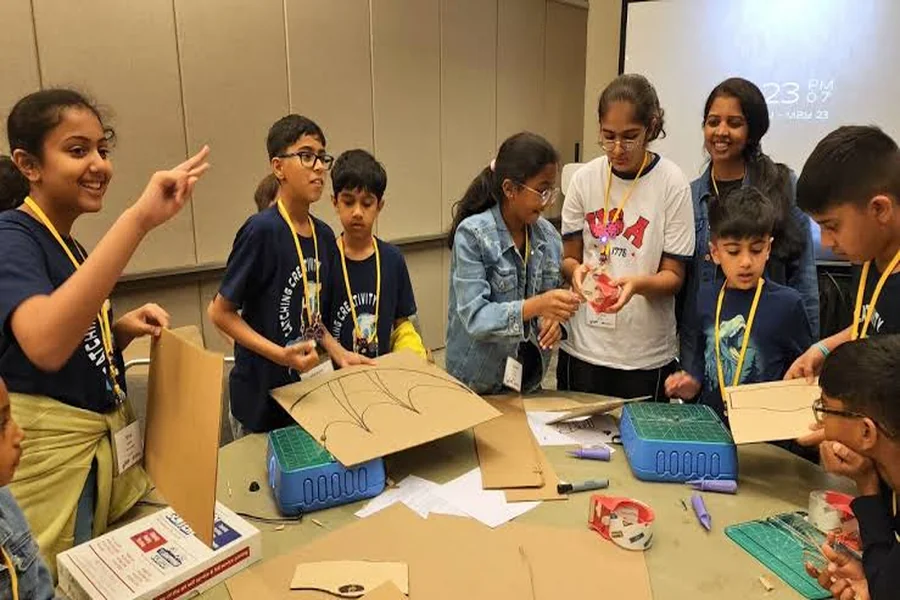
The Benefits of Project Based Learning go beyond helping students understand classroom lessons. This teaching approach allows learners to gain knowledge by working on meaningful projects, investigating real-world questions, and creating practical solutions. Instead of relying only on lectures and memorization, students actively participate in activities that connect academic concepts with everyday experiences. This makes learning more engaging and helps students understand how information can be applied outside the classroom.
Project-based learning also gives students opportunities to develop skills that are valuable in education, careers, and personal life. They learn to manage responsibilities, communicate ideas, solve problems, and work with others toward shared goals. Educational content and learning platforms such as replycorner can complement these experiences by encouraging curiosity and providing additional information on different subjects. When projects are planned effectively, students become active participants in their own learning journey.
Understanding Project Based Learning
Project-based learning is an educational method in which students develop knowledge and skills by completing projects over a specific period. These projects usually focus on meaningful questions, challenges, or problems that require research, planning, creativity, and practical work. Teachers guide the process while students take responsibility for exploring ideas and developing outcomes.
Projects can take many forms depending on the subject and students’ learning levels. For example, science learners might design a simple water filtration system, while history students could create a presentation about an important historical event. Business students may develop a basic marketing plan, and younger learners might build models to understand environmental concepts. These activities make lessons more interactive and encourage deeper understanding.
Developing Critical Thinking and Problem-Solving Skills
One major advantage of project-based learning is its ability to strengthen critical thinking. Students must examine information, compare different ideas, identify challenges, and decide which solutions are most suitable. Rather than simply accepting information, they learn to question assumptions and support their decisions with evidence.
Problem-solving becomes a natural part of the process. Projects rarely move forward exactly as planned, so learners may need to adjust their strategies when they encounter unexpected difficulties. For instance, a design project might require students to change materials because their original choices do not work. Such experiences teach flexibility, patience, and logical thinking. These abilities are useful in academic subjects and real-life situations where thoughtful decisions are essential.
Improving Teamwork and Communication
Many projects involve collaboration, giving students valuable opportunities to work with classmates. They may divide responsibilities, exchange ideas, discuss challenges, and combine individual contributions to complete a shared task. This process helps learners understand the importance of cooperation and accountability.
Communication skills also improve through regular interaction. Students practice explaining their ideas, listening to feedback, asking questions, and presenting their final work. They may need to resolve disagreements or adjust their plans to accommodate different opinions. These experiences teach respect and constructive communication. Learning to work effectively with others prepares students for future workplaces, where teamwork and clear communication are often essential.
Encouraging Creativity and Independent Learning
Project-based activities give students more freedom to approach challenges in different ways. Instead of following one fixed method, learners can suggest original ideas, experiment with materials, and develop solutions that reflect their understanding. This freedom encourages creativity and helps students recognize that problems can have multiple possible answers.
Independent learning is another important outcome. Students often need to research topics, collect information, evaluate sources, and decide what they need to learn next. Teachers provide guidance, but learners gradually become responsible for managing their progress. This experience builds curiosity and self-confidence. It also encourages students to continue learning beyond the classroom because they become more comfortable finding answers independently.
Connecting Classroom Knowledge With Real Life
Traditional lessons sometimes make it difficult for students to see how academic knowledge applies to everyday situations. Project-based learning addresses this challenge by connecting classroom concepts with practical experiences. Students can use mathematics to calculate project costs, science to investigate environmental problems, and language skills to prepare reports or presentations.
Real-world projects can also increase motivation because learners understand the purpose behind their work. A project about reducing plastic waste, for example, allows students to investigate an environmental issue while considering practical ways to improve their community. These experiences make learning more meaningful and help students remember concepts more effectively. They also encourage responsibility by showing how knowledge can contribute to positive change.
Final Thought
The Benefits of Project Based Learning include stronger critical thinking, better communication, improved teamwork, greater creativity, and a deeper understanding of academic concepts. By working on meaningful tasks, students gain practical experience and learn to take responsibility for their progress. This approach also helps connect classroom knowledge with real-world challenges, making education more relevant and engaging. With clear objectives, supportive teachers, and well-designed activities, project-based learning can create valuable experiences that prepare students for future academic, professional, and personal opportunities.
FAQs
What is project-based learning?
Project-based learning is a teaching approach in which students gain knowledge and skills by completing meaningful projects based on questions or real-world challenges.
What are the main benefits of project-based learning?
It improves critical thinking, problem-solving, communication, teamwork, creativity, and the ability to apply knowledge in practical situations.
How does project-based learning improve student engagement?
Students participate actively in meaningful activities, make decisions, and create practical outcomes, which can make lessons more interesting and motivating.
Is project-based learning suitable for all subjects?
Yes, it can be adapted to subjects such as science, mathematics, history, language, technology, and business through age-appropriate projects.
What role do teachers play in project-based learning?
Teachers guide students, establish clear goals, provide useful resources, monitor progress, and offer feedback while allowing learners to take responsibility for their work.
