

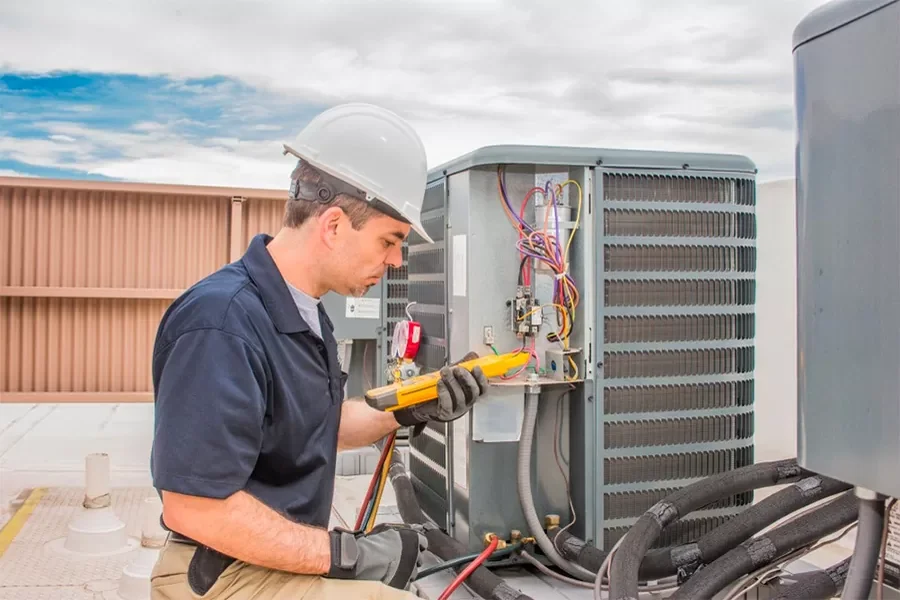
When it comes to maintaining a comfortable indoor environment throughout the year, HVAC Contractor Services play an essential role. Whether you need a new heating and cooling system, emergency repairs, or routine maintenance, working with qualified professionals helps ensure your equipment performs efficiently and lasts longer. A properly maintained HVAC system not only improves indoor comfort but also reduces energy consumption, lowers utility bills, and supports healthier indoor air quality.
Choosing the right contractor can seem challenging because there are many service providers available. However, understanding what HVAC professionals offer and knowing what to look for can help you make a confident decision. This guide explains the most important aspects of HVAC contractor services, the benefits they provide, and how regular maintenance protects your investment.
What Are HVAC Contractor Services?
HVAC stands for Heating, Ventilation, and Air Conditioning. HVAC contractors are trained professionals who install, repair, replace, inspect, and maintain systems that regulate indoor temperature and air quality.
These services typically include:
- Heating system installation and repair.
- Air conditioner installation and replacement.
- Furnace maintenance.
- Heat pump services.
- Ventilation system inspections.
- Indoor air quality improvements.
- Thermostat installation and programming.
- Emergency HVAC repairs.
- Seasonal maintenance and tune-ups.
- Ductwork inspection and repair.
Professional contractors have the knowledge and specialized tools needed to diagnose problems accurately while ensuring systems meet safety and efficiency standards.
Benefits of Hiring Professional HVAC Contractors
Hiring experienced HVAC professionals offers several advantages beyond simply fixing a broken air conditioner or furnace.
One of the biggest benefits is improved energy efficiency. Proper installation and maintenance allow equipment to operate as intended, reducing unnecessary energy waste. Efficient systems consume less electricity or fuel while delivering consistent heating and cooling.
Professional contractors also help prevent costly breakdowns. During routine inspections, they identify worn components before they fail completely. Addressing small issues early often prevents expensive repairs later.
Safety is another major advantage. Heating systems involve gas, electricity, refrigerants, and combustion components that require proper handling. Certified technicians understand industry standards and perform work safely.
Another benefit is better indoor comfort. Balanced airflow, calibrated thermostats, and properly functioning equipment maintain consistent temperatures throughout the home or commercial building.
Professional service also extends equipment lifespan. Routine maintenance reduces wear and tear, helping systems last several years longer than neglected units.
Common HVAC Services Homeowners Need
Most homeowners require HVAC assistance at some point during the life of their heating and cooling systems. Some of the most common services include installation, repairs, maintenance, and system upgrades.
HVAC Installation
Installing a new HVAC system requires careful planning. Contractors evaluate the property’s size, insulation, ventilation, and heating or cooling requirements before recommending equipment.
Correct sizing is critical. Oversized systems cycle too frequently, while undersized units struggle to maintain comfortable temperatures.
HVAC Repairs
Even well-maintained systems occasionally develop problems. Common repair issues include:
- Refrigerant leaks.
- Frozen evaporator coils.
- Faulty thermostats.
- Electrical failures.
- Blower motor problems.
- Ignition issues.
- Compressor failure.
- Clogged condensate drains.
Professional diagnosis ensures repairs address the root cause instead of only treating symptoms.
Preventive Maintenance
Routine maintenance helps keep systems operating efficiently throughout the year.
Typical maintenance includes:
- Cleaning coils.
- Replacing air filters.
- Checking refrigerant levels.
- Inspecting electrical connections.
- Lubricating moving parts.
- Testing system performance.
- Calibrating thermostats.
- Inspecting ductwork.
Many contractors recommend servicing cooling equipment before summer and heating systems before winter.
System Replacement
Older HVAC systems gradually lose efficiency and become more expensive to repair.
If repairs become frequent or energy bills continue increasing, replacing the system may provide better long-term value. Modern equipment offers improved energy efficiency, quieter operation, and advanced temperature control features.
How to Choose the Right HVAC Contractor
Selecting the right contractor significantly affects the quality and longevity of your HVAC system.
Start by checking licensing and certifications. Qualified contractors should meet local licensing requirements and stay updated on industry standards.
Experience also matters. Contractors with several years of practical experience often diagnose issues more efficiently and recommend suitable solutions.
Customer reviews provide useful insights into professionalism, communication, and service quality. Reading both positive and negative reviews helps create a balanced understanding of a company’s reputation.
Ask about warranties before work begins. Reliable contractors typically provide warranties for both equipment and labor, offering additional peace of mind.
Request detailed written estimates that clearly outline labor, materials, timelines, and total costs. Transparent pricing helps prevent unexpected expenses.
Finally, evaluate customer service. Contractors who answer questions clearly and communicate promptly usually provide a smoother overall experience.
Signs Your HVAC System Needs Professional Attention
Many HVAC problems begin with subtle warning signs. Recognizing them early can prevent larger issues.
Unusual noises such as grinding, squealing, or rattling often indicate mechanical problems.
Uneven temperatures throughout the home may point to airflow restrictions, duct issues, or failing equipment.
Weak airflow from vents can result from clogged filters, damaged blowers, or blocked ducts.
Rising energy bills without increased usage often suggest declining system efficiency.
Frequent cycling, where the system repeatedly turns on and off, may indicate thermostat issues or improper system sizing.
Unpleasant odors coming from vents could signal mold growth, electrical problems, or dirty components.
Ignoring these symptoms may lead to more extensive repairs and reduced system lifespan.
Tips to Keep Your HVAC System Running Efficiently
While professional maintenance remains essential, homeowners can also take several simple steps to improve system performance.
Replace air filters regularly according to manufacturer recommendations. Dirty filters reduce airflow and force equipment to work harder.
Keep outdoor units free from leaves, dirt, grass, and debris to maintain proper airflow.
Avoid blocking indoor vents with furniture or curtains, allowing conditioned air to circulate effectively.
Use programmable or smart thermostats to optimize heating and cooling schedules based on occupancy.
Seal air leaks around windows and doors to reduce heating and cooling demands.
Schedule annual professional inspections to identify developing issues before they become expensive repairs.
Maintain proper insulation throughout the home to improve energy efficiency and reduce HVAC workload.
Small maintenance habits combined with professional servicing significantly improve comfort, efficiency, and equipment longevity.
Final Thought
Reliable heating and cooling systems contribute to comfort, health, and energy savings throughout the year. Professional HVAC contractor services help ensure your equipment operates safely, efficiently, and reliably in every season. From installations and repairs to preventive maintenance and complete system replacements, experienced contractors provide valuable expertise that protects your investment.
Regular inspections, timely repairs, and proper maintenance reduce unexpected breakdowns while extending the life of your HVAC equipment. By choosing a qualified contractor and following recommended maintenance practices, homeowners and businesses can enjoy consistent indoor comfort, lower operating costs, and improved system performance for years to come.
FAQs
What are HVAC contractor services?
HVAC contractor services include installing, repairing, maintaining, inspecting, and replacing heating, ventilation, and air conditioning systems to ensure efficient and reliable operation.
How often should an HVAC system be serviced?
Most HVAC systems should be professionally serviced at least twice a year, typically before the cooling and heating seasons begin.
How do I know if I need a new HVAC system?
Frequent repairs, rising energy bills, inconsistent temperatures, and systems that are 15 to 20 years old often indicate it may be time for a replacement.
Can regular HVAC maintenance reduce energy bills?
Yes. Regular maintenance improves system efficiency, allowing your HVAC equipment to use less energy while maintaining comfortable indoor temperatures.
What should I look for when hiring an HVAC contractor?
Choose a licensed, experienced contractor with positive customer reviews, transparent pricing, warranties, and excellent customer service.
How long does an HVAC system usually last?
Most HVAC systems last between 15 and 20 years with proper installation, regular maintenance, and timely repairs.
Do HVAC contractors improve indoor air quality?
Yes. HVAC professionals can clean components, repair ventilation systems, install air purification equipment, and recommend filtration upgrades to improve indoor air quality.
