

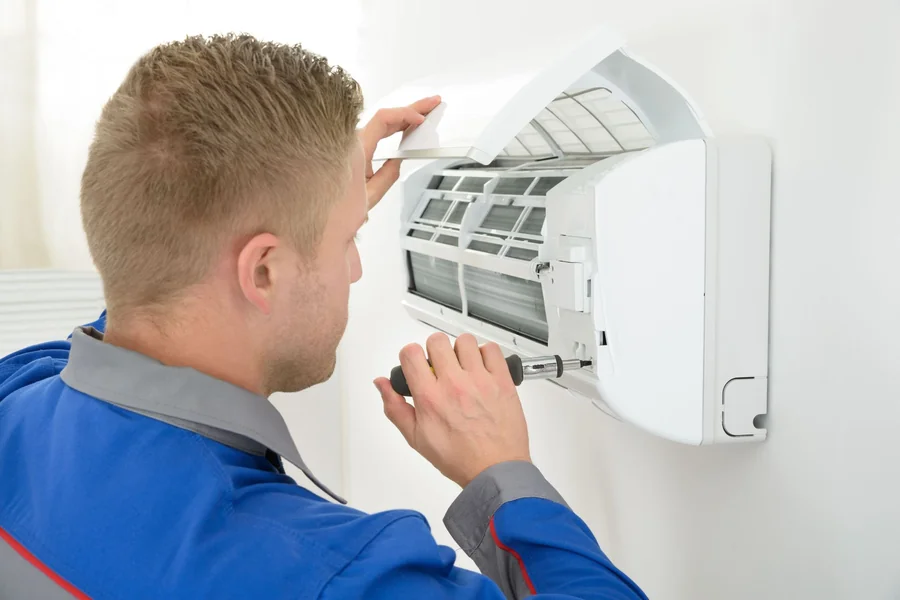
Your heating and cooling system plays a major role in maintaining comfort throughout the year. Whether it’s a hot summer afternoon or a chilly winter evening, having a dependable HVAC system is essential. When problems arise, Local HVAC Repair services provide fast, convenient solutions that help restore comfort while preventing more expensive damage.
Choosing a nearby HVAC professional offers several advantages. Local technicians understand the area’s climate, can often respond more quickly, and build lasting relationships with homeowners. Instead of waiting days for service, you can often receive prompt assistance when you need it most.
This guide explains why local HVAC services matter, common warning signs that your system needs attention, how to choose the right repair company, and practical ways to keep your HVAC system operating efficiently for years to come.
Why Local HVAC Repair Matters
An HVAC system is a significant investment, and regular repairs performed by experienced professionals help protect that investment. Small issues rarely fix themselves. In fact, they often grow into larger problems that require costly replacements if left untreated.
Working with a local repair company also offers several practical benefits:
- Faster response times during emergencies.
- Technicians familiar with regional weather conditions.
- Personalized customer service.
- Easier scheduling for follow-up maintenance.
- Support for local businesses within your community.
Because local companies depend heavily on customer satisfaction and referrals, they often focus on providing reliable workmanship and responsive communication.
Common Signs Your HVAC System Needs Repair
Recognizing problems early can save both money and inconvenience. Your HVAC system often gives warning signs before a complete breakdown occurs.
Uneven Temperatures
If some rooms feel too warm while others remain cold, your system may have airflow issues, duct leaks, or failing components.
Unusual Noises
Grinding, squealing, rattling, or banging sounds should never be ignored. These noises may indicate loose parts, worn bearings, damaged motors, or other mechanical issues.
Rising Energy Bills
A sudden increase in utility costs without changes in usage often means your HVAC system is working harder than necessary because of hidden problems.
Weak Airflow
Poor airflow from vents can result from clogged filters, damaged blowers, blocked ducts, or failing fans.
Frequent Cycling
When your system constantly turns on and off, it may be struggling with thermostat issues, electrical problems, or improper system sizing.
Strange Odors
Burning smells, musty odors, or unpleasant scents may indicate electrical issues, mold growth, or dirty components requiring immediate attention.
Prompt repairs help prevent these issues from becoming more serious and expensive.
How to Choose the Right Local HVAC Repair Company
Not every HVAC contractor offers the same level of expertise or service. Taking time to evaluate your options can lead to better long-term results.
Verify Licensing and Insurance
Professional HVAC technicians should hold the appropriate licenses and insurance required by local regulations. This protects both homeowners and technicians during repair work.
Read Customer Reviews
Online reviews provide valuable insight into customer experiences. Look for companies with consistent ratings, positive feedback, and professional responses to customer concerns.
Ask About Experience
Technicians who have worked with various HVAC brands and system types are often better equipped to diagnose problems accurately.
Request Written Estimates
A detailed estimate helps you understand repair costs before work begins. It also reduces the likelihood of unexpected charges later.
Look for Emergency Services
Heating and cooling emergencies rarely happen at convenient times. Companies offering emergency repair services provide additional peace of mind.
Ask About Warranties
Reputable HVAC companies often stand behind their repairs with warranties covering both labor and replacement parts.
Choosing a trustworthy contractor builds confidence that your system is receiving quality care.
Tips to Keep Your HVAC System Running Efficiently
Routine maintenance helps reduce repair costs and extends the lifespan of your heating and cooling equipment.
Replace Air Filters Regularly
Dirty air filters restrict airflow and force your HVAC system to work harder. Most filters should be checked monthly and replaced every one to three months depending on usage.
Keep Outdoor Units Clean
Leaves, grass, dirt, and debris around the outdoor condenser can reduce efficiency. Maintain adequate clearance around the unit to improve airflow.
Schedule Annual Maintenance
Professional inspections allow technicians to identify small issues before they become larger repairs. Preventive maintenance also helps maintain peak system performance.
Check Thermostat Settings
Incorrect thermostat programming may cause unnecessary system operation. Consider upgrading to a programmable or smart thermostat for improved efficiency.
Seal Air Leaks
Gaps around windows, doors, and ductwork allow conditioned air to escape. Proper sealing helps reduce strain on your HVAC system.
Keep Vents Open
Closing multiple vents can disrupt airflow and place additional stress on your heating and cooling equipment.
Simple maintenance habits can significantly improve comfort while lowering monthly energy costs.
What to Expect During an HVAC Repair Visit
Knowing what happens during a service appointment can help homeowners feel prepared.
The technician usually begins by discussing the symptoms you’ve noticed. They then inspect the HVAC system, test major components, and identify the source of the problem.
After diagnosing the issue, the technician explains the recommended repairs, estimated costs, and expected completion time. Once approved, repairs are completed using appropriate replacement parts.
Before leaving, the technician typically tests the system again to confirm everything operates properly. They may also provide maintenance recommendations to help prevent future problems.
Clear communication throughout the process helps homeowners understand both the issue and the solution.
Final Thought
A dependable heating and cooling system contributes to comfort, energy efficiency, and peace of mind throughout the year. Choosing professional local repair services ensures problems are addressed quickly before they become costly replacements.
Regular maintenance, prompt attention to warning signs, and selecting an experienced HVAC technician all help maximize the life of your equipment. Investing in timely repairs today can prevent unexpected breakdowns tomorrow while keeping your home comfortable in every season.
FAQs
What is Local HVAC Repair?
Local HVAC Repair refers to professional heating, ventilation, and air conditioning repair services provided by technicians serving your local area. These services help restore system performance and maintain indoor comfort.
How often should my HVAC system be serviced?
Most HVAC systems should receive professional maintenance at least once a year. Many experts recommend servicing the air conditioner in spring and the heating system in fall.
What causes an HVAC system to stop cooling properly?
Common causes include dirty air filters, refrigerant leaks, thermostat problems, frozen coils, clogged condensers, or malfunctioning compressors. A professional inspection can identify the exact issue.
Is it better to repair or replace an HVAC system?
The decision depends on the system’s age, repair costs, efficiency, and overall condition. Older systems with frequent breakdowns may benefit more from replacement, while newer units are often worth repairing.
How long does a typical HVAC repair take?
Many common HVAC repairs can be completed within one to three hours. More complex repairs involving major components may require additional time or replacement parts.
Can regular maintenance reduce repair costs?
Yes. Routine maintenance helps identify minor problems early, improves efficiency, reduces wear on components, and lowers the likelihood of expensive emergency repairs.
What should I do before calling an HVAC technician?
Check your thermostat settings, replace the air filter if needed, ensure circuit breakers have not tripped, and verify that vents are open. If the problem continues, contact a qualified HVAC professional.
