

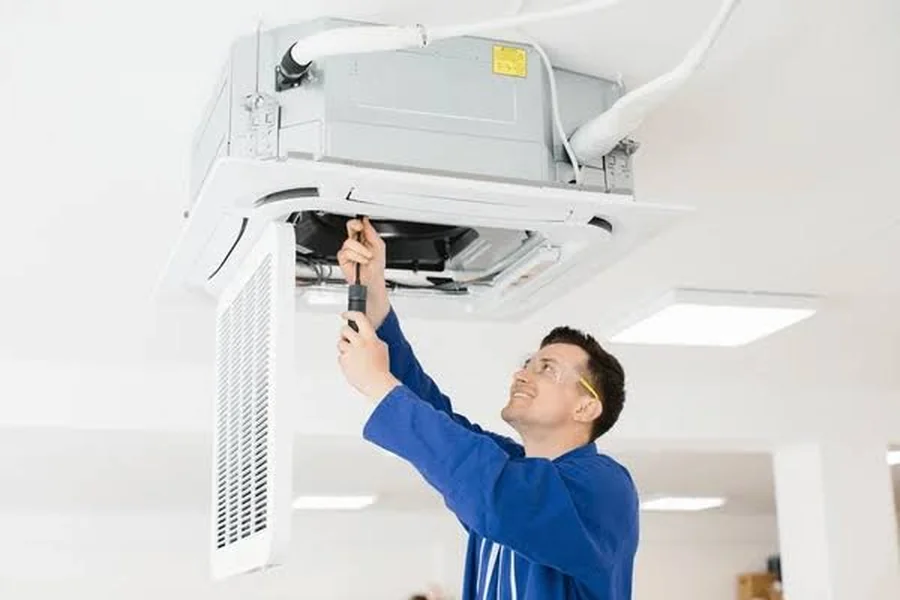
When your heating or cooling system stops working, finding the right HVAC Repair Contractor becomes a priority. Whether it’s a residential home or a commercial building, a qualified contractor can quickly identify problems, perform reliable repairs, and help prevent future breakdowns. Choosing the right professional not only restores comfort but also protects your investment by extending the life of your HVAC system.
Many homeowners wait until their system completely fails before calling for help. However, regular maintenance and timely repairs often reduce long-term costs while improving energy efficiency. Understanding what an HVAC contractor does and how to select one can make a significant difference in the quality of service you receive.
Why Hiring a Professional HVAC Repair Contractor Matters
Heating, ventilation, and air conditioning systems are complex. They involve electrical components, refrigerant lines, thermostats, compressors, motors, and airflow management. Attempting repairs without proper knowledge can create safety risks and lead to more expensive damage.
A professional HVAC repair contractor has the training and experience to diagnose issues accurately. Rather than simply replacing parts, they identify the root cause of the problem and recommend the most effective solution.
Professional contractors also:
- Improve system performance.
- Reduce energy consumption.
- Help maintain manufacturer warranties.
- Ensure repairs meet safety standards.
- Minimize unexpected breakdowns.
Working with an experienced technician provides peace of mind because the repair is completed correctly the first time whenever possible.
Common HVAC Problems That Require Professional Repair
Even well-maintained systems experience wear and tear over time. Recognizing common warning signs helps homeowners schedule repairs before small issues become major failures.
Weak Airflow
Poor airflow may result from clogged filters, damaged ductwork, blower motor problems, or blocked vents. Reduced airflow forces the system to work harder, increasing energy costs.
Uneven Heating or Cooling
If certain rooms feel warmer or colder than others, there could be problems with duct balancing, thermostat calibration, or airflow restrictions.
Strange Noises
Grinding, rattling, squealing, or banging sounds often indicate loose components, worn bearings, damaged belts, or failing motors.
Frequent Cycling
An HVAC system that constantly turns on and off may have thermostat issues, dirty coils, refrigerant problems, or improper system sizing.
High Energy Bills
A sudden increase in utility costs often signals declining HVAC efficiency. Dirty filters, aging equipment, refrigerant leaks, or malfunctioning components may all contribute.
Water Leaks
Moisture around the indoor unit may indicate clogged condensate drains, frozen evaporator coils, or damaged drain pans.
Unpleasant Odors
Burning smells, musty odors, or chemical-like scents should never be ignored. These may indicate electrical issues, mold growth, or refrigerant leaks.
Prompt repairs reduce the likelihood of complete system failure while helping maintain indoor comfort.
How to Choose the Right HVAC Repair Contractor
Not every contractor offers the same level of expertise or customer service. Taking time to evaluate your options helps ensure quality workmanship.
Verify Licensing and Certification
Always confirm that the contractor holds the required licenses for your area. Proper certification demonstrates technical knowledge and compliance with industry standards.
Check Experience
Companies with several years of experience have often worked on a wide variety of heating and cooling systems. Their familiarity with different brands and equipment can lead to faster diagnosis and repairs.
Read Customer Reviews
Online reviews provide insight into punctuality, professionalism, communication, and repair quality. Consistently positive feedback is a strong indicator of reliable service.
Ask About Emergency Services
HVAC systems don’t always fail during normal business hours. Contractors offering emergency repairs can restore comfort more quickly during extreme weather.
Request Written Estimates
A detailed written estimate should clearly explain labor costs, replacement parts, warranties, and expected completion time. Transparency reduces misunderstandings later.
Evaluate Communication
Good contractors answer questions clearly, explain repair options, and avoid unnecessary technical jargon. Clear communication builds trust throughout the repair process.
Preventive Maintenance Helps Avoid Costly Repairs
Routine maintenance remains one of the most effective ways to reduce repair expenses. Small issues are easier and less expensive to fix before they develop into larger mechanical failures.
A typical maintenance visit may include:
- Replacing or cleaning air filters.
- Inspecting electrical connections.
- Cleaning evaporator and condenser coils.
- Checking refrigerant levels.
- Testing thermostat operation.
- Lubricating moving components.
- Inspecting ductwork for leaks.
- Verifying airflow throughout the system.
Scheduling maintenance once or twice each year helps keep heating and cooling equipment operating efficiently.
Homeowners can also perform simple maintenance tasks between professional visits, including replacing air filters regularly, keeping outdoor units free from debris, and ensuring vents remain unobstructed.
These small habits improve airflow and reduce unnecessary strain on the system.
What to Expect During an HVAC Repair Visit
Knowing what happens during a service appointment helps homeowners prepare and understand the repair process.
The technician usually begins by discussing the symptoms you’ve noticed. They may ask about unusual noises, temperature inconsistencies, or recent changes in system performance.
Next comes a complete inspection of the HVAC equipment. Diagnostic tools are often used to measure electrical performance, airflow, refrigerant pressure, and thermostat accuracy.
Once the issue has been identified, the contractor explains the problem and provides repair recommendations. Reputable professionals discuss available options before beginning any work.
After receiving approval, the technician completes the repair using appropriate replacement parts. Before leaving, they typically test the system to ensure proper operation and verify that heating or cooling has been fully restored.
Many contractors also provide maintenance recommendations to help prevent similar problems in the future.
Final Thought
Choosing the right HVAC repair professional is about more than fixing a broken heating or cooling system. A skilled contractor helps improve efficiency, extend equipment life, reduce operating costs, and maintain consistent indoor comfort throughout the year.
By paying attention to warning signs, scheduling regular maintenance, and selecting a qualified HVAC Repair Contractor with experience and strong customer service, homeowners can avoid many costly emergencies. Investing in professional repair and preventive care today often saves significant time, money, and stress in the years ahead.
FAQs
What does an HVAC Repair Contractor do?
An HVAC Repair Contractor diagnoses, repairs, maintains, and services heating, ventilation, and air conditioning systems to keep them operating safely and efficiently.
How often should an HVAC system be serviced?
Most HVAC systems should be professionally serviced at least once a year, while systems used for both heating and cooling often benefit from maintenance twice annually.
How can I tell if my HVAC system needs repair?
Common signs include unusual noises, weak airflow, uneven temperatures, higher energy bills, unpleasant odors, frequent cycling, or water leaks around the unit.
Can regular maintenance reduce repair costs?
Yes. Routine maintenance helps identify small issues before they become major problems, improving efficiency and reducing the likelihood of expensive repairs.
Should I repair or replace my HVAC system?
If the system is relatively new and repair costs are reasonable, repairing it is often the better option. Older systems with frequent breakdowns or poor efficiency may be better candidates for replacement.
How long does an HVAC repair usually take?
Simple repairs may take one to two hours, while more complex issues involving major components can require several hours or multiple visits.
What should I ask before hiring an HVAC contractor?
Ask about licensing, experience, insurance, warranties, emergency service availability, pricing, estimated completion time, and whether written estimates are provided.
