

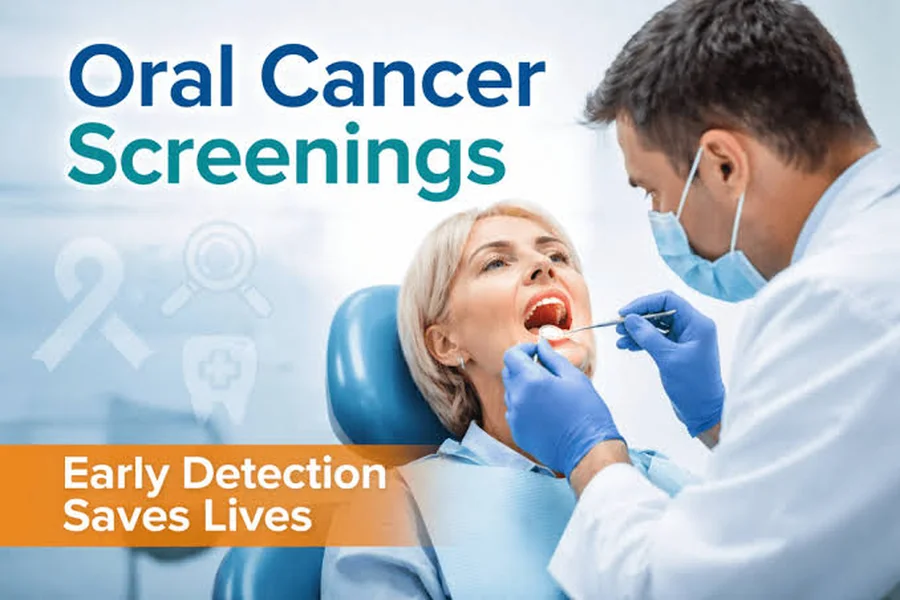
Oral Cancer Screening Importance cannot be overstated because early detection significantly increases the chances of successful treatment and long-term survival. Oral cancer can develop without noticeable symptoms in its early stages, making routine screenings a valuable part of preventive healthcare. Whether performed during a regular dental checkup or by a healthcare professional, these screenings help identify suspicious changes before they become more serious.
Many people assume they only need an oral cancer screening if they experience pain or visible sores. However, the disease often progresses silently, which is why regular examinations are recommended, especially for individuals with known risk factors. Understanding the value of early detection, recognizing warning signs, and maintaining good oral health habits can make a meaningful difference in preventing advanced disease.
What Is Oral Cancer Screening?
Oral cancer screening is a simple, non-invasive examination performed to detect early signs of cancer or precancerous changes in the mouth. During the screening, a dentist or healthcare provider carefully examines the lips, tongue, cheeks, gums, roof and floor of the mouth, and throat for unusual lumps, red or white patches, ulcers, or other abnormalities.
In some cases, additional screening tools such as special lights, dyes, or tissue biopsies may be recommended if an area appears suspicious. These advanced methods help determine whether further evaluation is necessary.
The process usually takes only a few minutes and can easily be included in a routine dental appointment. Since oral cancer often develops without pain in its earliest stages, regular screenings provide an opportunity to identify concerns before symptoms become severe.
Why Early Detection Matters
Early diagnosis is one of the biggest factors influencing treatment success. When oral cancer is found in its initial stages, treatment is generally less invasive and offers a much higher survival rate compared to cancers diagnosed after they have spread.
Some key benefits of early detection include:
- Improved treatment outcomes.
- Greater chance of complete recovery.
- Less aggressive treatment options.
- Lower healthcare costs over time.
- Better preservation of speech and swallowing functions.
- Improved overall quality of life.
When cancer progresses without detection, treatment often becomes more complex and may involve surgery, radiation therapy, chemotherapy, or a combination of these approaches. Routine screenings help reduce this risk by identifying abnormalities before they advance.
Who Should Get Screened?
Although anyone can develop oral cancer, certain individuals have a higher risk and may benefit from more frequent screenings.
Common risk factors include:
- Tobacco use, including cigarettes, cigars, pipes, and smokeless tobacco.
- Heavy alcohol consumption.
- Human papillomavirus (HPV) infection.
- Excessive sun exposure affecting the lips.
- A family history of oral or head and neck cancers.
- Poor oral hygiene.
- A weakened immune system.
- Age over 40, although younger adults can also be affected.
Even individuals without these risk factors should receive routine oral examinations because some cases occur without any obvious cause. Dentists often recommend including an oral cancer screening during regular dental visits, typically every six to twelve months.
Signs and Symptoms You Should Never Ignore
While oral cancer may initially develop without symptoms, certain warning signs should prompt immediate evaluation by a healthcare provider.
Watch for symptoms such as:
- A mouth sore that does not heal within two weeks.
- Persistent red or white patches.
- Lumps or thickened areas inside the mouth.
- Difficulty swallowing.
- Pain while chewing.
- Persistent sore throat.
- Numbness in the tongue or mouth.
- Loose teeth without an obvious cause.
- Voice changes.
- Ear pain that does not resolve.
These symptoms do not necessarily indicate cancer, but they should always be examined promptly. Early assessment allows healthcare professionals to determine the underlying cause and recommend appropriate treatment if necessary.
What Happens During an Oral Cancer Screening?
Many people avoid screenings because they are unsure what to expect. Fortunately, the procedure is quick, painless, and requires no special preparation.
During the examination, the healthcare provider will:
- Review your medical history and risk factors.
- Inspect your lips and facial tissues.
- Examine the tongue from multiple angles.
- Check the cheeks, gums, palate, and floor of the mouth.
- Feel the jaw, neck, and lymph nodes for unusual swelling or lumps.
- Assess any visible sores, discoloration, or abnormal tissue changes.
If a suspicious lesion is identified, your provider may recommend monitoring it, performing a biopsy, or referring you to a specialist for further evaluation.
The majority of screenings reveal non-cancerous conditions, but identifying abnormalities early remains the primary goal.
How to Reduce Your Risk of Oral Cancer
While not every case can be prevented, several healthy lifestyle choices can lower the likelihood of developing oral cancer.
Practical prevention strategies include:
- Avoid all forms of tobacco products.
- Limit alcohol consumption.
- Receive the HPV vaccine if appropriate.
- Use lip balm with sun protection when outdoors.
- Maintain excellent oral hygiene.
- Eat a balanced diet rich in fruits and vegetables.
- Visit your dentist regularly.
- Perform monthly self-checks for unusual changes inside your mouth.
A healthy lifestyle supports both oral health and overall wellness. Combined with routine professional screenings, these habits create an effective approach to reducing risk.
Final Thought
Understanding the Oral Cancer Screening Importance helps individuals make informed decisions about their health. Because oral cancer often develops without noticeable symptoms, waiting until discomfort appears can delay diagnosis and treatment. Regular screenings performed by dental or healthcare professionals offer a safe, quick, and effective way to detect potential problems early.
Whether you have known risk factors or simply want to maintain good preventive healthcare, scheduling routine oral cancer screenings is one of the most proactive steps you can take. Early detection not only improves treatment success but also helps preserve quality of life, making these examinations an essential part of long-term oral health.
FAQs
What is an oral cancer screening?
An oral cancer screening is a visual and physical examination of the mouth, throat, lips, and surrounding tissues to identify early signs of cancer or precancerous changes.
How often should I have an oral cancer screening?
Most adults should receive an oral cancer screening during routine dental checkups every six to twelve months, although individuals with higher risk factors may require more frequent examinations.
Is oral cancer screening painful?
No. Oral cancer screening is generally painless, non-invasive, and usually takes only a few minutes to complete.
Can oral cancer occur without symptoms?
Yes. Oral cancer often develops without noticeable symptoms in its early stages, which is why regular screenings are so important.
Who is at the highest risk for oral cancer?
People who use tobacco, consume alcohol heavily, have HPV infection, experience significant sun exposure on the lips, or have a family history of oral cancer face a higher risk.
What happens if the dentist finds something unusual?
If an abnormal area is found, the dentist may recommend monitoring it, performing a biopsy, or referring you to a specialist for further evaluation.
Can oral cancer be prevented?
Although it cannot always be prevented, avoiding tobacco, limiting alcohol, maintaining good oral hygiene, receiving recommended vaccinations, and attending regular dental checkups can significantly reduce the risk.
