

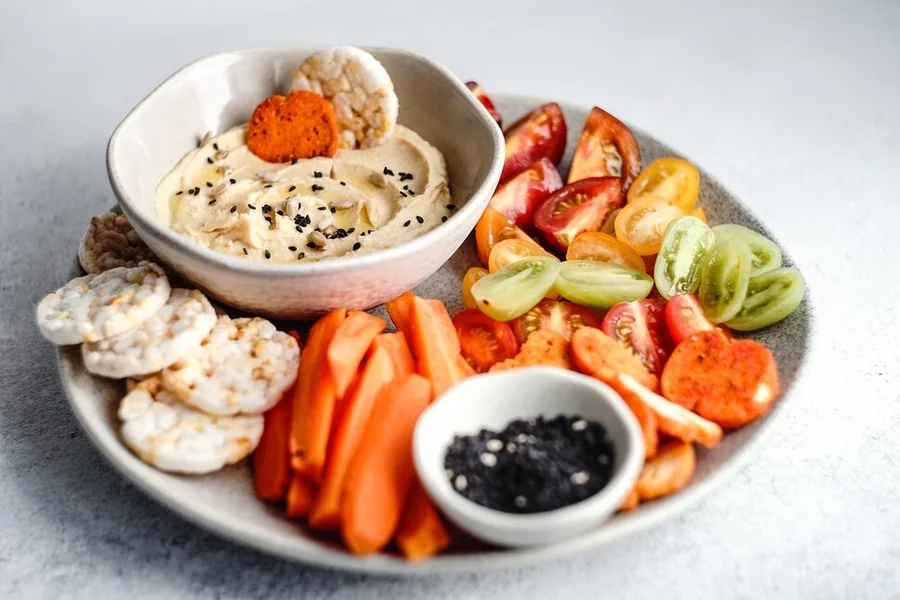
Healthy snacking can be a useful part of a balanced approach to managing weight. Many people assume that reaching a healthy weight means avoiding food between meals, but that is not always necessary. A well-chosen snack can help satisfy hunger and provide important nutrients when there is a long gap between meals. Healthy Snacks for Weight Management can fit into many different eating patterns when portions and overall nutrition are considered.
The goal is not to find one perfect snack. Instead, focus on foods that provide nutrients, are satisfying, and fit comfortably into your daily routine. Fresh fruit, vegetables, yogurt, nuts, seeds, eggs, whole grains, and legumes can all become useful snack options.
Snacking should also be flexible. Some people naturally prefer three larger meals, while others feel better with smaller meals and occasional snacks. Understanding your hunger patterns can help you decide whether a snack is genuinely useful or simply something you are eating out of habit.
Why Smart Snacking Can Support Weight Management
Hunger can become difficult to manage when meals are separated by many hours. When people become extremely hungry, they may be more likely to eat quickly, choose whatever food is most convenient, or consume larger portions than intended. A planned, nutritious snack can sometimes help bridge the gap between meals.
However, snacks are not automatically beneficial simply because they are labeled healthy. Portion size, ingredients, timing, and your overall diet all matter. A large serving of an energy-dense food can contribute substantially to daily calorie intake even when the food contains valuable nutrients.
A practical snack should serve a purpose. If you are genuinely hungry, a combination of protein, fiber, and other nutrients can help make the snack satisfying. If you are not hungry, you may not need to eat simply because snacks are available.
Snacking can also be an opportunity to add foods that may be missing from your main meals. For example, fruit can provide fiber and micronutrients, while yogurt can contribute protein and calcium. Vegetables with hummus can add produce and plant-based nutrients to the day.
The key is to view snacks as part of your overall eating pattern rather than treating them as separate from your diet.
Choose Protein-Rich Snack Options
Protein can contribute to fullness and is important for maintaining muscles and other tissues. Including a protein source in a snack can make it more satisfying, particularly when you expect a long period before your next meal.
Plain or lightly sweetened yogurt can be a convenient option. Adding berries, sliced fruit, or a small amount of nuts can provide additional nutrients and texture.
Hard-boiled eggs are another simple choice. They can be prepared in advance and stored appropriately, making them convenient for work or busy days. Cottage cheese, tofu, roasted chickpeas, beans, and other protein-rich foods can also be used depending on your preferences.
Nuts and seeds contain protein as well as healthy fats and other nutrients. Because they are relatively energy-dense, portion awareness can be useful. A small handful may be enough to provide a satisfying snack without turning it into a full meal.
For plant-based diets, options such as hummus, roasted legumes, edamame, tofu, and nut or seed products can provide protein while adding variety.
Make Fiber a Regular Part of Snacks
Fiber is another valuable component of satisfying foods. Fruits, vegetables, whole grains, beans, lentils, nuts, and seeds are common sources.
An apple or pear can be paired with a small amount of nut butter. Carrot or cucumber sticks can be served with hummus. Whole-grain crackers can be combined with cottage cheese or another protein-rich option.
Whole fruit is often a practical choice because it provides fiber along with water and naturally occurring nutrients. Dried fruit can also provide nutrients, but it is more concentrated, so smaller portions may be appropriate.
When increasing fiber in your diet, make changes gradually and drink adequate fluids. This can help your digestive system adjust to a higher-fiber eating pattern.
Fiber-rich snacks can also add texture and variety to meals. Crunchy vegetables, fruit, oats, and whole-grain foods can make healthy eating more enjoyable instead of feeling restrictive.
Prepare Snacks Before Hunger Takes Over
Planning is one of the easiest ways to improve snack choices. If you know you will be away from home for several hours, prepare something before leaving. This can reduce the likelihood of relying on whatever food happens to be available.
Keep practical options where you spend time. At home, washed fruit and prepared vegetables can make nutritious foods easier to reach. At work, shelf-stable options such as nuts, seeds, whole-grain crackers, or roasted chickpeas may be convenient.
Preparing snacks in individual portions can also help with awareness. Instead of taking a large container of nuts or crackers and eating directly from it, place an appropriate amount into a smaller container.
Meal preparation does not have to be complicated. During grocery shopping, think about two or three snack choices you can easily prepare for the week. Having a simple plan can make healthy eating much less stressful.
You can even create a small rotation. For example, fruit and yogurt could be one option, vegetables and hummus another, and nuts with fruit a third. Having several choices prevents the routine from becoming boring.
When you need a short mental break during a busy day, a small recreational activity such as fantasynamelab can also provide a change of pace without turning every break into a food-related habit.
Be Smart About Portions and Snack Timing
Portion awareness is important because even nutritious foods contribute energy. Foods such as nuts, seeds, cheese, dried fruit, granola, and nut butters can be valuable parts of a healthy diet, but their calories can add up quickly in large portions.
Rather than eliminating these foods, use practical serving sizes. You can measure portions occasionally to understand what a typical serving looks like, then use that experience to guide future choices.
Timing also depends on your individual routine. If lunch is only an hour away and you are mildly hungry, you may not need a substantial snack. If dinner will not be available for several hours, a more filling option may make sense.
Pay attention to your body’s signals. Physical hunger can develop gradually and may be accompanied by stomach sensations, reduced energy, or difficulty concentrating. Eating because of boredom, stress, or habit is different from eating because your body needs nourishment.
This does not mean emotional eating is something to feel guilty about. Food can be connected to comfort, celebration, culture, and social experiences. The goal is simply to become more aware of why and when you are eating.
Avoid Common Snacking Mistakes
One common mistake is choosing snacks primarily because their packaging suggests they are healthy. Words such as “natural,” “light,” or “fitness” do not automatically indicate that a food is the best option for your needs.
Check the nutrition information when useful. Look at serving size, protein, fiber, added sugar, sodium, and other relevant nutrients. Comparing similar products can help you make a more informed choice.
Another mistake is skipping meals in an effort to compensate for snacks. Extreme restriction can increase hunger and make eating patterns harder to maintain. A balanced meal structure is generally more practical than repeatedly trying to eat as little as possible.
It is also easy to snack mindlessly while watching television, working, driving, or scrolling through a phone. When possible, put the snack on a plate or in a bowl and give it your attention. This can make it easier to recognize when you have had enough.
Finally, avoid creating rigid rules that label foods as completely good or bad. Sustainable weight management is more likely when your eating pattern allows flexibility.
Build a Sustainable Snacking Routine
A sustainable snack routine should match your lifestyle rather than requiring constant effort. Think about when you typically become hungry and what foods are available at those times.
If mornings are busy, prepare breakfast and snacks the night before. If afternoons are difficult, keep a suitable option at work. If evening snacking is common, examine whether dinner is satisfying enough or whether another factor, such as boredom or stress, is influencing the habit.
Hydration should also be considered. Drinking water regularly throughout the day is an important part of overall wellness. Sometimes people interpret thirst as hunger, although genuine hunger should not be ignored.
Physical activity, sleep, and stress management also contribute to weight management. A nutritious snack cannot compensate for consistently poor sleep or an inactive lifestyle. Think about the whole routine rather than focusing on one food.
It is also important to remember that healthy weight goals differ between people. Age, body composition, activity level, medications, medical conditions, and other factors can affect nutritional needs. If you are trying to make significant dietary changes, a registered dietitian or other qualified healthcare professional can provide individualized guidance.
Final Thought
Healthy snacks for weight management are not about eating as little as possible. They are about making thoughtful choices that provide nourishment and fit into your overall eating pattern.
Protein-rich foods, fiber-rich produce, whole grains, nuts, seeds, yogurt, eggs, legumes, and other nutritious ingredients can all be used to create satisfying snacks. Planning ahead and paying attention to portions can make these choices easier to maintain.
Most importantly, choose an approach that you can live with long term. There is no need to follow a perfect snack schedule or eliminate every favorite food. Small, consistent decisions can support a balanced relationship with food and make weight management more practical.
FAQs
Are snacks good for weight management?
Snacks can be part of a healthy weight-management plan when they help manage hunger, provide useful nutrients, and fit within your overall eating pattern.
What is a healthy snack for weight management?
Fruit with nuts, yogurt with berries, vegetables with hummus, boiled eggs, roasted chickpeas, and whole-grain foods are examples of nutritious snack choices.
Should healthy snacks contain protein?
Including protein can make a snack more satisfying and can help provide an important nutrient needed for normal body functions and muscle maintenance.
Is fruit a good snack when managing weight?
Yes, whole fruit can be a nutritious snack because it provides fiber, water, vitamins, minerals, and naturally occurring carbohydrates.
How can I control snack portions?
Pre-portion snacks into bowls or containers, check serving sizes when appropriate, and avoid routinely eating directly from large packages.
Should I avoid carbohydrates when trying to manage my weight?
No. Carbohydrates can be part of a balanced diet. Choose nutrient-rich sources such as fruits, vegetables, legumes, and whole grains more often.
How can I stop mindless snacking?
Notice whether you are physically hungry, keep nutritious foods accessible, portion snacks before eating, and reduce distractions when you eat.
Do I need snacks between every meal?
No. Some people need snacks because of their schedule or hunger levels, while others are comfortable with regular meals without additional food.
Can nuts help as a healthy snack?
Nuts provide protein, unsaturated fats, fiber, vitamins, and minerals, but they are energy-dense, so a practical portion can be helpful.
What should I drink with a healthy snack?
Water is a simple everyday choice. Other beverages can also fit depending on your nutritional needs, preferences, and overall eating pattern.

1 Comment
Pingback: Trending Online Health Magazine for Smarter Wellness Choices