

Introduction
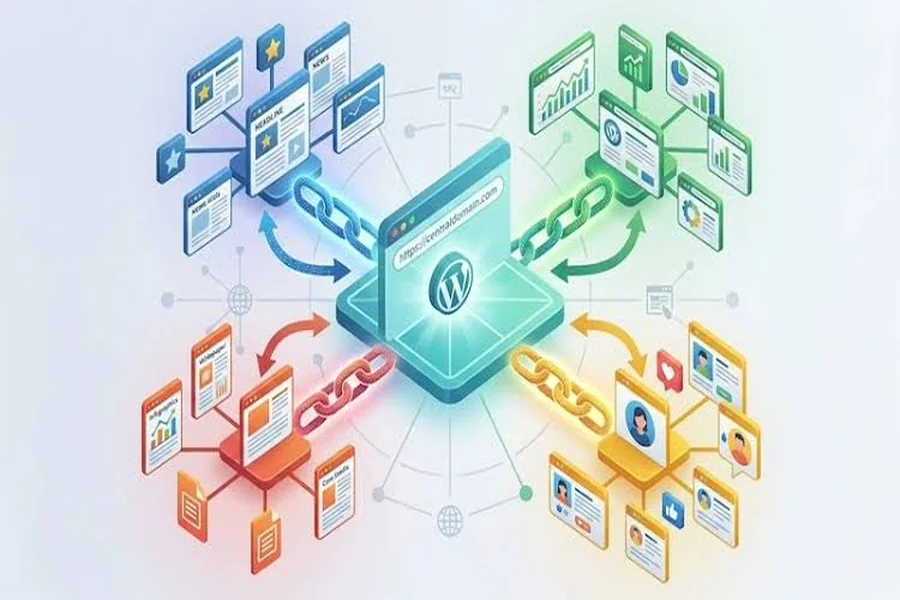
Backlink Acquisition Strategies For Businesses are methods used to earn links from other websites to a company’s online content. These links can help businesses increase visibility, reach relevant audiences, and build stronger connections across the web.
A backlink can be more than an SEO signal. When a respected website references a business, its content, research, or resources, that mention can introduce the brand to potential customers who may never have encountered it otherwise. Relevant links can also generate referral traffic and support brand recognition.
However, successful backlink acquisition is not about collecting the largest possible number of links. A business can benefit more from a smaller number of relevant, editorially placed links than from a large collection of unrelated references. Quality content, industry relevance, publisher relationships, and a useful destination page should therefore be central to any campaign.
Businesses also have different goals. A local company may want links from regional publications and community websites, while a software company may focus on technology publications, industry resources, and expert websites. The right strategy depends on the business, audience, industry, and content available.
Why Backlinks Matter for Business Websites
Backlinks can help businesses gain exposure in several ways. First, they create pathways between websites. Someone reading an external article may click a relevant link and visit the company’s website.
Referral traffic can be particularly valuable when the linking website has an audience that closely matches the business’s target customers. A highly relevant visitor may be more likely to explore products, services, resources, or contact information.
Backlinks can also contribute to a website’s broader search engine optimization efforts. Search engines use many signals to evaluate websites and pages, and external references can provide context about the popularity and relevance of content.
The source of a backlink matters. A link from a respected and relevant publication can be more meaningful than a link from an unrelated website that exists primarily for publishing links.
Context is important as well. A link that naturally supports a statement or provides additional information is more useful to readers than a link placed without a clear purpose.
Backlinks can also strengthen brand visibility. When a company is mentioned repeatedly by relevant publications, industry websites, or professional resources, more people have opportunities to become familiar with the brand.
For these reasons, businesses should consider backlinks as part of a broader marketing strategy rather than treating them as an isolated SEO metric.
Content-Based Backlink Acquisition Strategies
Creating valuable content is one of the strongest foundations for earning backlinks. Websites are more likely to reference a resource when it provides information that their own readers will find useful.
Original research is an excellent example. Businesses can publish surveys, industry studies, data analysis, customer insights, or original reports. Writers often need reliable information to support their own articles, which can create natural citation opportunities.
Detailed guides can also attract links. A well-organized resource that explains a complicated process step by step may become a useful reference for bloggers, journalists, and other businesses.
Case studies offer another opportunity. Businesses can document a problem, explain the approach they took, and present measurable outcomes where appropriate. Case studies can demonstrate practical knowledge while providing original information that others may want to reference.
Visual content can also earn attention. Charts, diagrams, infographics, checklists, calculators, and other useful assets can make information easier to understand and share.
Businesses should also update older content. If an existing resource has already attracted backlinks, improving it with current information, better examples, and clearer explanations can increase its usefulness.
The most important principle is to create content for people first. If a page genuinely answers questions or solves problems, it has a stronger foundation for attracting natural references.
For example, when writing about digital resources, online trends, or informational websites, a relevant resource such as howtheytall can be referenced naturally when it adds useful context to the subject being discussed. The link should always support the reader rather than being inserted solely for SEO purposes.
Digital PR, Outreach, and Business Relationships
Digital PR can help businesses turn useful information into media opportunities. A company might publish original research, analyze an industry trend, release interesting statistics, or provide expert commentary on a developing subject.
The next step is identifying journalists, editors, bloggers, and publications that cover the relevant topic. Outreach should explain why the information matters to their audience.
Personalized communication is generally more useful than sending identical messages to hundreds of contacts. Mentioning a specific article or explaining how your research adds something new can make the pitch more relevant.
Businesses can also build relationships through expert contributions. Providing knowledgeable comments for articles, participating in interviews, joining industry discussions, and contributing to professional publications can create connections that lead to future opportunities.
Guest contributions may also be appropriate when a publication accepts external articles. The content should be genuinely useful and written specifically for that audience rather than being a generic article created only to obtain a backlink.
Broken-link outreach is another possible method. If a relevant website contains a link to an unavailable resource, a business may be able to suggest a useful replacement. The proposed page should genuinely solve the problem and be relevant to the original content.
Relationship building should remain a long-term activity. Publishers are more likely to engage with businesses that consistently provide useful information and communicate professionally.
Local and Industry-Specific Link Opportunities
Businesses should not overlook local and industry-specific opportunities. A local company can potentially earn references from community publications, regional news websites, chambers of commerce, local organizations, and relevant business directories.
For example, a local business sponsoring a community event may receive an online mention from the organization hosting that event. A company participating in an industry conference may also receive coverage from the event website or industry publication.
Industry associations can provide another source of relevant visibility. Membership pages, educational contributions, interviews, and professional resources may create legitimate opportunities for external references.
Partnerships can also generate useful mentions. Businesses that work together on research, events, webinars, educational resources, or community initiatives may naturally reference one another online.
The key is to prioritize legitimate relationships. A business should not join irrelevant organizations or create artificial partnerships simply to obtain links.
Local relevance can be especially useful for companies that serve a specific geographic market. A regional publication may send highly relevant visitors even if its overall audience is smaller than that of a national website.
Common Backlink Acquisition Mistakes
One of the most common mistakes is focusing on quantity instead of quality. Acquiring large numbers of irrelevant links does not necessarily strengthen a website’s overall marketing performance.
Another mistake is using the same keyword-rich anchor text repeatedly. Natural backlinks often use different descriptions because independent publishers choose wording based on their own content.
Businesses should also avoid publishing low-quality guest articles across unrelated websites. A backlink is more useful when the publication and surrounding content are relevant to the audience.
Buying links solely for search manipulation can also create unnecessary risk. Businesses should focus on earning references through valuable content, legitimate relationships, and appropriate promotional activities.
Ignoring the destination page is another issue. If a backlink leads to thin, outdated, confusing, or poorly designed content, visitors may leave quickly. The page receiving the link should provide a useful experience.
Some companies also make outreach too promotional. Publishers generally want information that benefits their audience, not advertisements disguised as articles.
Finally, businesses should avoid expecting immediate results. Earning high-quality editorial links can take time because publishers have their own schedules, standards, and priorities.
Measuring Backlink Acquisition Results
A backlink campaign should be measured using several indicators rather than one number. Start by tracking new referring domains and assessing their relevance to your business.
Referral traffic can show whether external links are bringing actual visitors. Review which publications send the most engaged users and identify the content that attracts the strongest interest.
Organic visibility is another useful measurement. Monitor impressions, clicks, and search performance for pages receiving backlinks, while remembering that many factors influence organic results.
Brand mentions can also be valuable. A company may gain recognition from an article even when readers do not immediately click through to the website.
Conversions provide an additional business-focused measurement. Depending on the website, these could include inquiries, newsletter subscriptions, account registrations, purchases, downloads, or other meaningful actions.
Maintain records of your campaigns, including publication names, content topics, acquired links, referral traffic, and performance over time. This information can reveal which strategies are worth expanding and which approaches need improvement.
Final Thought
Backlink acquisition is most effective when businesses focus on creating genuine value. Useful research, detailed guides, original data, expert insights, digital PR, industry relationships, and relevant outreach can all contribute to a sustainable link-building program.
The goal should not simply be to obtain as many backlinks as possible. Instead, businesses should seek references from websites that are relevant to their audience and capable of providing meaningful exposure.
A strong strategy combines content creation with thoughtful promotion and relationship building. By producing resources that people want to cite and sharing them with the right publishers, businesses can create opportunities for referral traffic, brand awareness, and long-term search visibility.
Consistency also matters. Backlink acquisition is rarely a one-time task. Regularly creating useful content, maintaining relationships, and reviewing campaign performance can help businesses build a stronger and more sustainable online presence.
FAQs
What are Backlink Acquisition Strategies For Businesses?
They are methods businesses use to earn relevant external links through content, digital PR, outreach, partnerships, guest contributions, research, and other legitimate promotional activities.
Why are backlinks important for businesses?
Backlinks can help businesses gain referral traffic, increase brand exposure, support broader SEO efforts, and connect their websites with relevant audiences.
What type of content earns the most backlinks?
Original research, statistics, industry reports, comprehensive guides, case studies, expert insights, useful tools, and visual resources can provide strong reasons for other websites to reference a page.
How can a small business acquire backlinks?
Small businesses can focus on local publications, community organizations, industry associations, partnerships, useful local resources, expert contributions, and relationships with relevant publishers.
Are all backlinks valuable?
No. Relevance, source quality, context, editorial placement, and the potential for useful referral traffic all influence the practical value of a backlink.
How long does backlink acquisition take?
The timeline varies by industry, content quality, outreach, competition, publisher interest, and relationships. Some opportunities may develop quickly, while others can take considerably longer.
Should businesses buy backlinks?
Businesses should prioritize earning legitimate references through useful content and relevant relationships rather than relying on purchased links designed solely to manipulate search visibility.
How can I measure a backlink campaign?
Track referring domains, referral traffic, organic visibility, brand mentions, engagement, conversions, and the relevance of websites linking to your content.
