

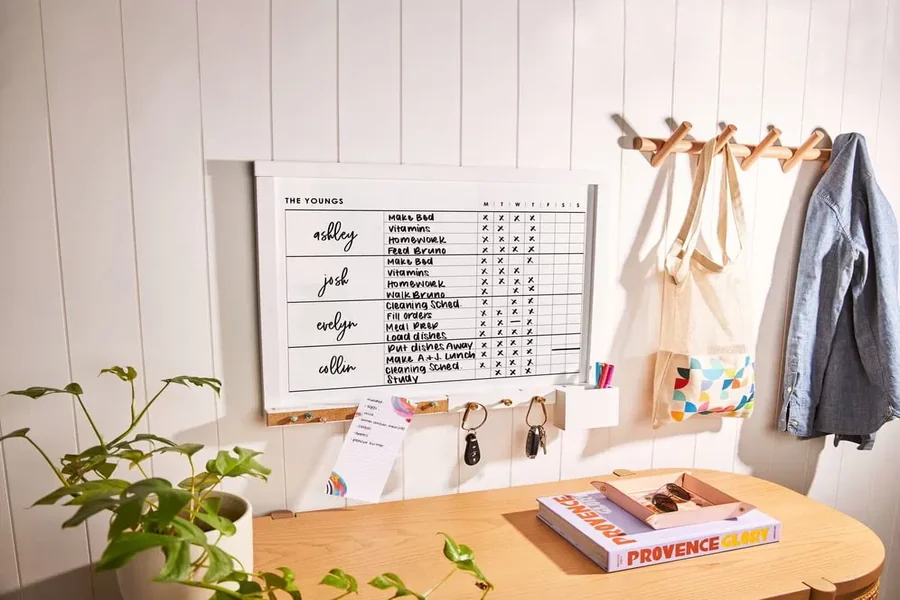
Life can quickly feel overwhelming when tasks, responsibilities, appointments, and personal goals all compete for attention. Even small unfinished tasks can create mental pressure when they continue to stay on your mind. The good news is that getting organized does not require a perfect schedule or complicated productivity system. Simple changes to your daily habits can make a meaningful difference.
Learning Simple Ways to Organize Your Life starts with understanding what needs your attention and creating systems that are easy to maintain. Whether you want to manage your time better, reduce clutter, or simply feel more in control of your day, organization can help you create a calmer and more balanced routine.
Start With Clear Priorities
One of the easiest ways to become more organized is to identify what matters most. Many people begin their day by reacting to whatever appears first instead of deciding what deserves their attention. This can lead to busy days without much meaningful progress.
Start by writing down the important tasks you need to complete. Then separate them into categories such as urgent, important, and optional. You do not have to finish everything in one day. Choosing a few meaningful priorities can make your schedule much easier to manage.
A simple daily list with three to five important tasks is often more useful than a long list that becomes difficult to complete. Once the most important responsibilities are clear, you can organize the remaining activities around them.
It is also helpful to understand the difference between being busy and being productive. Answering every notification or completing small tasks may make you feel active, but these activities do not always move you toward your goals. Prioritization helps you spend more time on things that genuinely matter.
Create Simple Daily Routines
A consistent routine can remove many unnecessary decisions from your day. When certain activities happen at roughly the same time each day, they become easier to remember and complete.
Consider creating simple morning and evening routines. A morning routine might include making your bed, reviewing your schedule, drinking water, preparing for work, and checking your top priorities. An evening routine could involve organizing your workspace, preparing clothes for the next day, reviewing unfinished tasks, and setting a reasonable bedtime.
Your routine does not need to contain ten or twenty different activities. In fact, keeping it simple can make it more sustainable. The goal is to create a structure that supports your life rather than making you feel controlled by a strict schedule.
Weekly routines can be helpful too. Choose one day to review appointments, upcoming deadlines, household responsibilities, and personal plans. Spending a few minutes preparing for the week can prevent last-minute stress.
If you enjoy reading about practical lifestyle habits, wellness, and everyday improvements, lifenzia can also provide useful ideas that complement a more organized and balanced lifestyle.
Reduce Clutter in Your Home and Digital Life
Physical clutter can make it harder to concentrate and may create a constant feeling that something needs to be handled. You do not have to completely redesign your home to become more organized. Small areas can be improved one at a time.
Start with a single drawer, shelf, desk, or closet. Remove things you no longer use and decide where the remaining items should belong. Giving everyday objects a specific place makes it easier to put them away after use.
A useful rule is to avoid keeping things simply because you might need them someday. If an item has not been used for a long time and does not have meaningful value, consider donating, recycling, or removing it.
Digital clutter deserves attention as well. An overcrowded email inbox, messy desktop, excessive phone notifications, and unused applications can make your digital environment stressful. Delete unnecessary files, organize important documents into folders, and unsubscribe from emails you rarely read.
You can also create simple naming systems for digital files. Instead of saving documents with unclear names, use descriptive titles that make them easy to find later. A few minutes of organization now can save considerable time in the future.
Manage Time Without Overcomplicating Your Schedule
Good time management is not about filling every minute with work. It is about giving your important responsibilities enough space while leaving room for rest and unexpected situations.
Begin by looking at how you currently spend your time. You may notice that certain activities take longer than expected or that distractions regularly interrupt your focus. Once you recognize these patterns, you can make practical adjustments.
Try using time blocks for activities that require concentration. For example, you might reserve a specific period for focused work, another for emails, and another for household responsibilities. Grouping similar tasks can reduce the mental effort involved in constantly switching between activities.
Avoid creating a schedule that is packed from morning until night. Leave some flexible time between major activities. Unexpected calls, delays, errands, or changes in plans are part of everyday life, so a realistic schedule should have some breathing room.
Another useful approach is to estimate how long tasks will actually take. If you consistently underestimate your workload, your schedule may become stressful before the day is even halfway finished. Giving tasks realistic time limits can help you plan more effectively.
Build Habits That Keep You Organized
Organization becomes much easier when it is supported by small habits. Instead of waiting for clutter or unfinished tasks to become overwhelming, handle them regularly in small amounts.
For example, spend five minutes tidying your workspace at the end of the day. Put items back where they belong, remove unnecessary papers, and prepare anything you will need the following morning. This small habit can make your next day start more smoothly.
Another helpful habit is the two-minute rule. If something can genuinely be completed in about two minutes, consider doing it immediately instead of adding it to your task list. This can prevent small responsibilities from accumulating.
You can also develop a habit of reviewing your plans at the end of each week. Ask yourself what worked well, what created unnecessary stress, and what could be changed. Organization should evolve as your responsibilities change.
Remember that consistency matters more than perfection. Missing a routine for one day does not mean the system has failed. Simply return to it the next day and continue.
Make Organization Work for Your Lifestyle
There is no single organization method that works for everyone. Some people prefer paper planners, while others use digital calendars, reminder applications, or simple notes. The best system is the one you are comfortable using consistently.
If you have a busy professional schedule, a digital calendar may help you keep track of meetings and deadlines. If you manage household responsibilities, a shared list can make it easier for everyone to know what needs to be done.
Students may benefit from organizing assignments by deadline, while people working from home may need clearer separation between work and personal activities. Your organization system should reflect your actual needs rather than an idealized version of your life.
It is also important to avoid constantly changing productivity systems. Trying a new planner or application every few days can become another form of distraction. Give a simple method enough time to become a habit before deciding whether it works.
The purpose of organization is to make everyday life easier. If a system requires excessive effort to maintain, simplify it. A good organizational method should save time and mental energy rather than consume them.
Final Thought
Getting organized does not require a dramatic transformation. The most effective changes are often simple actions repeated consistently. Setting clear priorities, creating realistic routines, reducing clutter, managing time thoughtfully, and developing small daily habits can gradually create a more manageable lifestyle.
The key is to start with one area instead of trying to change everything at once. Organize your workspace today, plan tomorrow’s priorities tonight, or spend a few minutes clearing unnecessary digital files. Small improvements can build momentum over time.
Simple Ways to Organize Your Life are ultimately about creating an environment where your responsibilities, goals, and personal needs can coexist more comfortably. When your surroundings and routines support you, it becomes easier to focus on what matters instead of constantly reacting to disorder.
Organization should also leave room for flexibility. Life will always bring unexpected events, busy periods, and changes in priorities. A successful system is not one that keeps everything perfectly controlled but one that helps you recover quickly when plans change.
Start small, stay consistent, and adjust your approach when necessary. With practical habits and realistic expectations, organization can become a natural part of everyday life rather than another responsibility to worry about.
FAQs
What is the easiest way to start organizing your life?
Start by choosing one area that causes the most stress, such as your schedule, workspace, or daily tasks, and make one simple improvement.
How can I organize my day better?
Write down your most important tasks, assign realistic time blocks, reduce distractions, and leave some flexible time for unexpected responsibilities.
How can I stop feeling overwhelmed by tasks?
Break large responsibilities into smaller steps, focus on a few priorities at a time, and avoid trying to complete everything simultaneously.
Is it better to use a planner or a digital calendar?
Both can work well, and the best choice depends on your personal preferences and routine. Choose the system you are most likely to use consistently.
How often should I declutter my home?
Small areas can be tidied regularly, while larger decluttering sessions can be done every few months depending on how quickly your home accumulates unnecessary items.
Can organizing my space improve productivity?
A cleaner and more organized environment can make important items easier to find, reduce distractions, and create better conditions for focused work.
How long does it take to become more organized?
There is no fixed timeline, but small habits practiced consistently can gradually make organization feel natural and easier to maintain.
What should I do if I stop following my routine?
Do not treat a missed day as failure. Review what made the routine difficult, simplify it if necessary, and start again with the next available opportunity.

1 Comment
Pingback: Backlink Acquisition Strategies For Businesses: A Practical Guide