

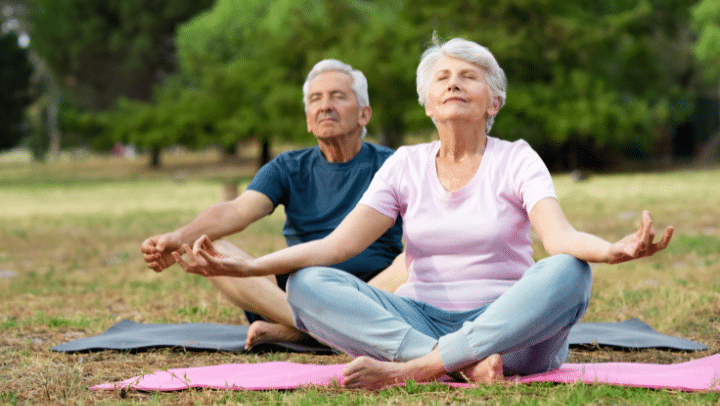
Mental wellbeing stress relief techniques are becoming increasingly important in today’s fast-paced and demanding lifestyle. Many people experience stress from work, relationships, financial pressure, and digital overload, which can affect both mental and physical health. Learning how to manage stress effectively is essential for maintaining emotional balance, improving focus, and leading a healthier life. By adopting simple and consistent techniques, anyone can strengthen their mental wellbeing over time.
Understanding Mental Wellbeing Stress Relief Techniques Basics
Mental wellbeing stress relief techniques focus on practices that help calm the mind, reduce anxiety, and improve emotional stability. Stress is the body’s natural response to challenges, but when it becomes constant, it can negatively impact mental health.
These techniques aim to restore balance by helping individuals manage their thoughts, emotions, and reactions. They include physical activities, breathing exercises, mindfulness practices, and lifestyle adjustments.
When practiced regularly, these methods can improve concentration, reduce fatigue, and enhance overall quality of life. The goal is not to eliminate stress completely but to manage it in a healthy and productive way.
Breathing Exercises and Relaxation Methods
One of the most effective mental wellbeing stress relief techniques is controlled breathing. Deep breathing exercises help slow down the heart rate and calm the nervous system, reducing feelings of anxiety and tension.
Simple techniques such as inhaling deeply through the nose, holding the breath for a few seconds, and exhaling slowly can provide immediate relaxation. Practicing this for a few minutes daily can significantly improve emotional control.
Progressive muscle relaxation is another helpful method. It involves tightening and then relaxing different muscle groups in the body, which helps release physical tension caused by stress.
Guided relaxation and meditation sessions are also widely used to calm the mind and improve mental clarity.
Physical Activity and Stress Reduction
Physical activity plays a major role in mental wellbeing stress relief techniques. Exercise helps release endorphins, which are natural chemicals in the brain that improve mood and reduce stress.
Activities such as walking, jogging, yoga, dancing, or cycling can help clear the mind and reduce anxiety levels. Even short periods of movement during the day can make a noticeable difference.
Yoga, in particular, combines physical movement with breathing control and mindfulness, making it highly effective for stress relief. It improves flexibility, reduces muscle tension, and promotes inner calm.
Staying physically active also improves sleep quality, which is closely linked to mental wellbeing.
Mindfulness and Meditation Practices
Mindfulness is one of the most powerful mental wellbeing stress relief techniques for managing daily stress. It involves paying attention to the present moment without judgment.
By focusing on the present, individuals can reduce overthinking and worry about the past or future. Mindfulness can be practiced during everyday activities such as eating, walking, or working.
Meditation is a structured form of mindfulness that helps train the mind to stay calm and focused. Regular meditation practice improves emotional stability, increases self-awareness, and reduces anxiety.
Even 10–15 minutes of daily meditation can lead to long-term improvements in mental health and stress management.
Healthy Lifestyle Habits for Mental Balance
Maintaining healthy lifestyle habits is an important part of mental wellbeing stress relief techniques. A balanced diet, proper sleep, and hydration all contribute to better mental health.
Eating nutritious foods rich in vitamins, minerals, and omega-3 fatty acids supports brain function and mood regulation. Avoiding excessive caffeine, sugar, and processed foods can also help reduce anxiety levels.
Sleep plays a crucial role in mental wellbeing. Poor sleep can increase stress and reduce emotional control. Maintaining a consistent sleep schedule helps the brain recover and function properly.
Limiting screen time, especially before bed, also improves sleep quality and reduces mental fatigue.
Social Connection and Emotional Support
Strong social connections are an essential part of mental wellbeing stress relief techniques. Talking to friends, family, or trusted individuals can help reduce feelings of isolation and stress.
Sharing thoughts and emotions allows individuals to process problems more effectively and gain new perspectives. Emotional support from others can provide comfort during difficult times.
Participating in social activities or community events also helps improve mood and build a sense of belonging. Human connection plays a powerful role in maintaining emotional balance.
In some cases, professional counseling or therapy may be helpful for managing chronic stress or anxiety.
Time Management and Stress Control Strategies
Effective time management is another important aspect of mental wellbeing stress relief techniques. Poor time management often leads to stress, pressure, and feelings of being overwhelmed.
Creating daily schedules, setting priorities, and breaking tasks into smaller steps can help improve productivity and reduce mental strain.
Avoiding multitasking and focusing on one task at a time increases efficiency and reduces errors. Taking regular breaks during work or study sessions also helps refresh the mind.
Learning to say no to unnecessary commitments is another important strategy for maintaining balance and reducing stress levels.
Final Thought
Mental wellbeing stress relief techniques provide practical and effective ways to manage stress and improve emotional health. By combining breathing exercises, physical activity, mindfulness, healthy habits, and strong social connections, individuals can build resilience and maintain balance in their daily lives. Consistency is key, and even small changes can lead to significant improvements in mental wellbeing over time.
FAQs
What are mental wellbeing stress relief techniques?
They are methods and practices that help reduce stress and improve emotional and mental health.
How does exercise help reduce stress?
Exercise releases endorphins, which improve mood and help reduce anxiety and tension.
What is mindfulness in stress management?
Mindfulness is the practice of focusing on the present moment to reduce overthinking and stress.
Can breathing exercises really reduce anxiety?
Yes, deep breathing helps calm the nervous system and quickly reduces stress levels.
How important is sleep for mental wellbeing?
Good sleep is essential for emotional balance, stress control, and overall mental health.
When should someone seek professional help for stress?
Professional help is recommended when stress becomes chronic or interferes with daily life.
