

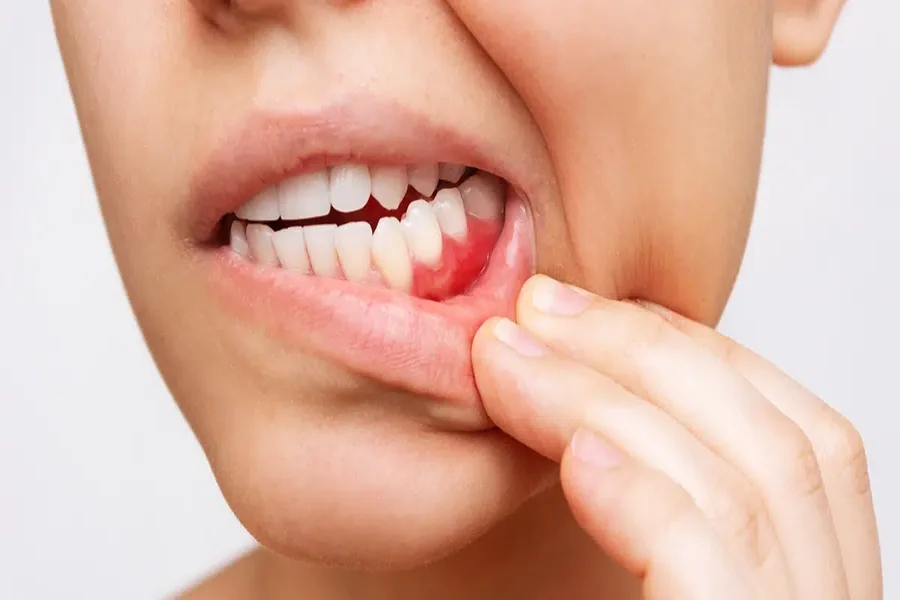
Gum Disease Prevention Tips are essential for maintaining healthy gums and protecting your overall oral health. Gum disease is one of the most common dental problems affecting people of all ages. It often begins with mild inflammation known as gingivitis and can progress to advanced periodontal disease if left untreated. As the condition worsens it may lead to gum recession loose teeth bone loss and even tooth loss. Fortunately gum disease is largely preventable with consistent oral hygiene healthy lifestyle choices and regular professional dental care. By understanding the causes of gum disease and following proven preventive practices you can keep your gums healthy and enjoy a confident smile for years to come.
Understand What Causes Gum Disease
Gum disease develops when plaque builds up along the gum line and is not removed through regular brushing and flossing. Plaque contains harmful bacteria that irritate the gums causing redness swelling and bleeding. If plaque remains on the teeth it hardens into tartar which can only be removed during professional dental cleaning. Tartar allows bacteria to spread below the gum line leading to deeper infections and damage to the supporting structures of the teeth. Other factors such as smoking poor nutrition diabetes hormonal changes stress and certain medications can also increase the risk of developing gum disease. Understanding these causes helps you take proactive steps to protect your oral health.
Build Strong Daily Oral Hygiene Habits
A consistent oral hygiene routine is the foundation of gum disease prevention. Brush your teeth twice each day using fluoride toothpaste and a soft bristled toothbrush. Spend at least two minutes brushing all tooth surfaces while gently cleaning along the gum line. Brushing too aggressively can damage gum tissue so gentle circular motions are recommended. Flossing once every day removes plaque and food particles from between the teeth where a toothbrush cannot reach. Cleaning your tongue also helps reduce harmful bacteria that contribute to oral health problems. Replacing your toothbrush every three to four months ensures effective cleaning and supports healthier gums.
Eat Foods That Support Healthy Gums
Nutrition plays an important role in maintaining healthy gum tissue. A balanced diet rich in vitamin C calcium vitamin D and antioxidants supports the body’s ability to fight infection and repair damaged tissues. Fresh fruits leafy green vegetables dairy products fish nuts and whole grains provide essential nutrients for strong teeth and healthy gums. Drinking plenty of water helps wash away food particles and encourages healthy saliva production which naturally protects the mouth from harmful bacteria. Limiting sugary foods soft drinks and processed snacks reduces plaque formation and lowers the risk of gum inflammation. Healthy eating benefits both oral health and overall wellness.
Schedule Regular Dental Checkups and Cleanings
Professional dental care is one of the most effective ways to prevent gum disease. Most people should visit the dentist every six months for examinations and professional cleanings although some individuals may require more frequent appointments. During these visits dental professionals remove plaque and tartar that cannot be eliminated at home. They also examine the gums for early signs of gingivitis or periodontal disease allowing treatment before the condition becomes more serious. Professional cleanings combined with personalized oral hygiene advice help maintain healthy gums and reduce the need for extensive dental procedures in the future.
Recognize the Early Signs of Gum Disease
Early detection allows gum disease to be treated before permanent damage occurs. One of the first signs is bleeding while brushing or flossing. Other symptoms include red swollen or tender gums persistent bad breath gum recession tooth sensitivity and loose teeth. Some people may also notice discomfort while chewing or changes in the way their teeth fit together. These symptoms should never be ignored because early treatment is much simpler and more effective than managing advanced periodontal disease. If you notice any of these warning signs schedule a dental appointment as soon as possible.
Make Healthy Lifestyle Choices for Better Gum Health
Daily lifestyle habits have a significant impact on gum health. Avoiding tobacco products is one of the most important steps because smoking weakens the immune system and greatly increases the risk of gum disease. Limiting alcohol consumption also supports healthier oral tissues. Managing stress may help reduce inflammation and improve the body’s ability to fight infections. People with diabetes should maintain good blood sugar control because uncontrolled diabetes increases the risk of gum disease and slows healing. Staying physically active and maintaining a healthy lifestyle strengthens your immune system and supports healthier gums throughout life.
Final Thought
Gum Disease Prevention Tips provide a practical roadmap for protecting your gums and maintaining a healthy smile. Daily brushing flossing balanced nutrition regular dental checkups and healthy lifestyle choices all work together to reduce plaque buildup and prevent gum disease. Paying attention to early warning signs and seeking prompt professional care can stop minor gum problems from becoming serious conditions. By making gum health a daily priority you can preserve your natural teeth enjoy fresher breath and improve your overall well being. Healthy gums are the foundation of a strong confident smile that lasts a lifetime.
FAQs
What is the main cause of gum disease?
The main cause of gum disease is plaque buildup along the gum line which allows harmful bacteria to irritate and infect the gums.
How can I prevent gum disease at home?
Brush twice daily with fluoride toothpaste floss every day clean your tongue eat a balanced diet and avoid tobacco products.
How often should I visit the dentist to prevent gum disease?
Most people should visit the dentist every six months although some individuals with higher risk factors may need more frequent appointments.
What are the first signs of gum disease?
Early signs include bleeding gums redness swelling persistent bad breath gum tenderness and gum recession.
Can gum disease be reversed?
Early stage gum disease known as gingivitis can often be reversed with proper oral hygiene and professional dental cleanings.
Does smoking increase the risk of gum disease?
Yes. Smoking weakens the immune system slows healing and significantly increases the risk of developing gum disease and other oral health problems.
